Solar, storage and EV charging around the DMV
Solar panels and batteries for Washington, DC homes
A DC roof still pays its way, even with the federal credit gone. We design and install rooftop arrays, batteries and EV chargers, then file the permits, the Pepco agreement and the SREC registration that turn sunlight into bill credits and certificate income.
Calls answered 24/7 for Washington, DC from our 15th St NW service office
- Rowhouse flat roofs
- Historic district reviews
- Pepco and SREC paperwork
- Batteries and EV chargers

Our phone line is answered day and night, every day of the year.
Solar on a Washington, DC home in 2026 earns most of its return from SRECs, which trade around $360 to $400 per MWh, plus Pepco net metering credits. A typical DC roof produces about 1,150 kWh per installed kW each year. The federal 25D credit ended after 2025, so these local programs now carry the numbers.
Where are you starting from?
Most calls start with one of these six situations. Pick the closest one, or call and describe it.
I have a flat rowhouse roof
The array can usually sit behind the parapet. The membrane underneath decides the timing.
See how the job runsMy panels stopped producing
A dead inverter, a tripped breaker or chewed wiring. We trace it before we replace anything.
See how the job runsThe roof under my panels needs work
Panels come off, the roofer does the job, and we reset and test the array.
See how the job runsI want power during outages
A battery and a backup panel that keep the right circuits running when Pepco drops.
See how the job runsI just bought an electric car
A Level 2 charger, and a check that your panel can carry it without an upgrade.
See how the job runsMy solar installer went out of business
We pick up monitoring, warranty paperwork and repairs on systems that lost their installer.
See how the job runsThe full catalog
Thirty-three jobs, sorted the way calls arrive
Each service has its own page with the process, the cost factors and the DC details that change the job.
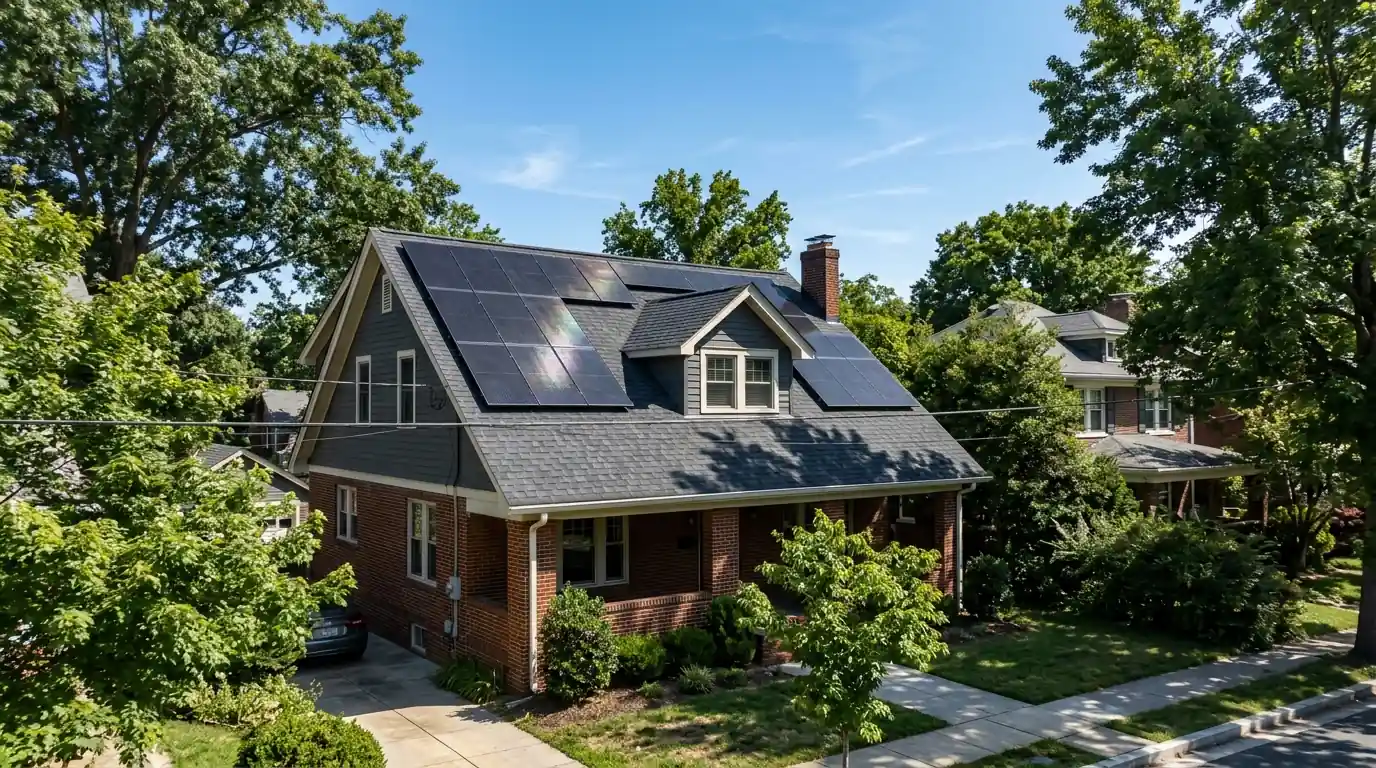
Home solar
Rooftop, rowhouse, canopy and ground arrays for houses.
6 services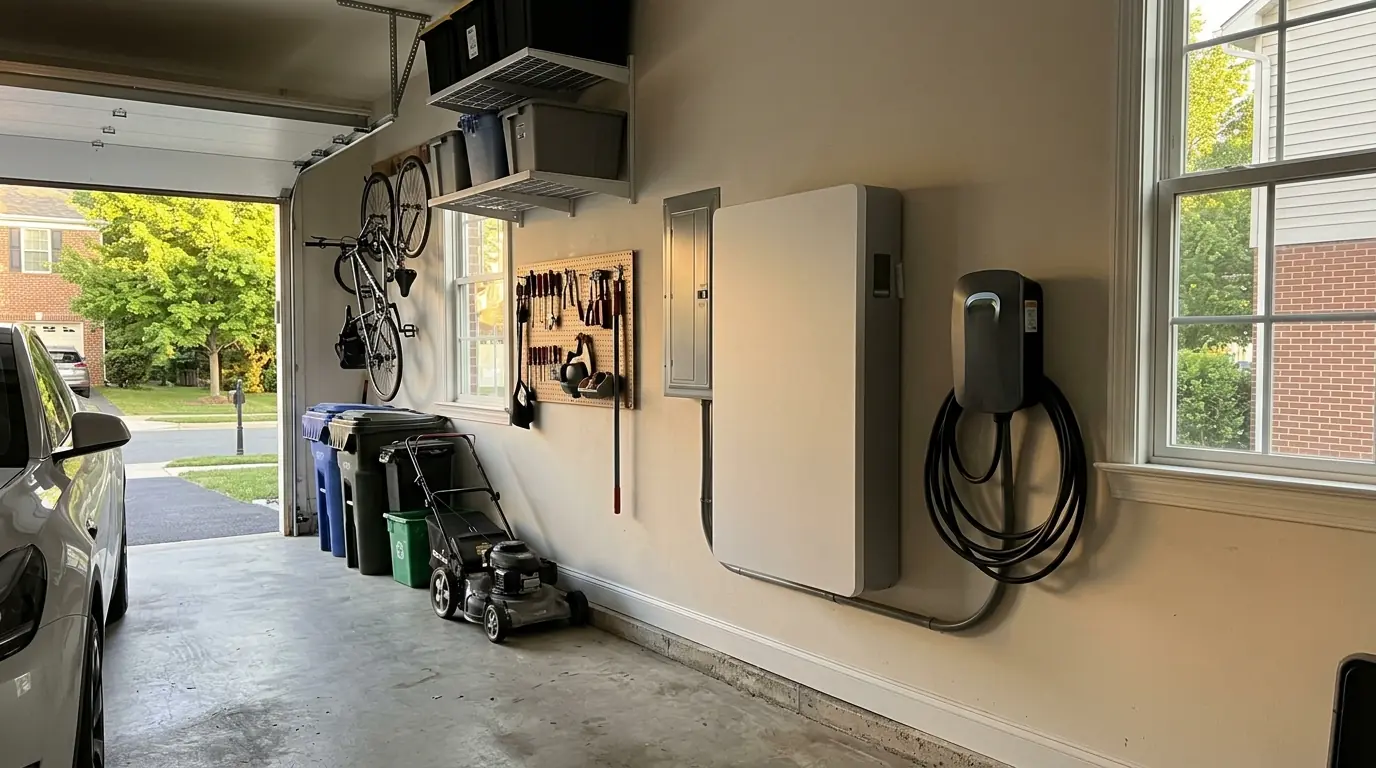
Batteries, EV and panels
Storage, chargers and the electrical service that feeds them.
7 services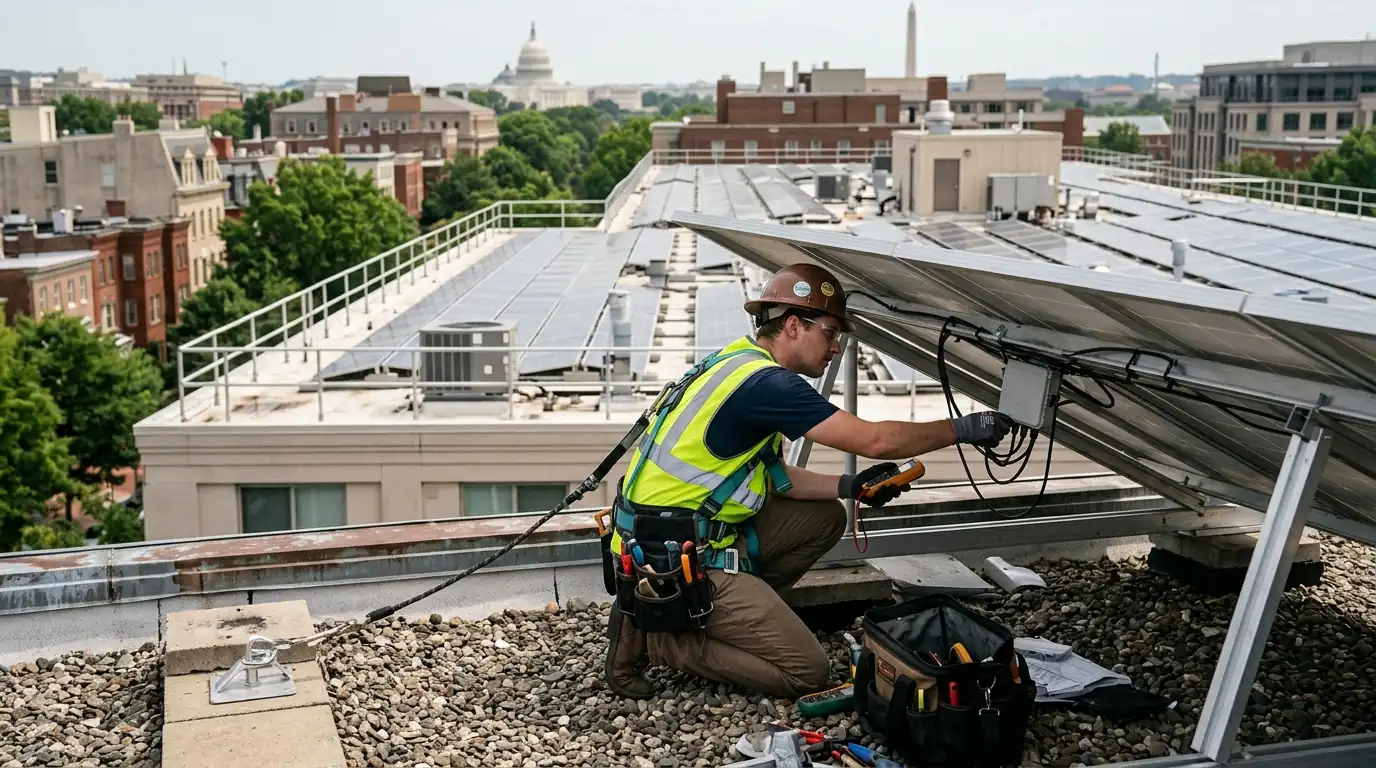
Repair and service
Fixes, cleaning, monitoring and roof work around existing arrays.
8 services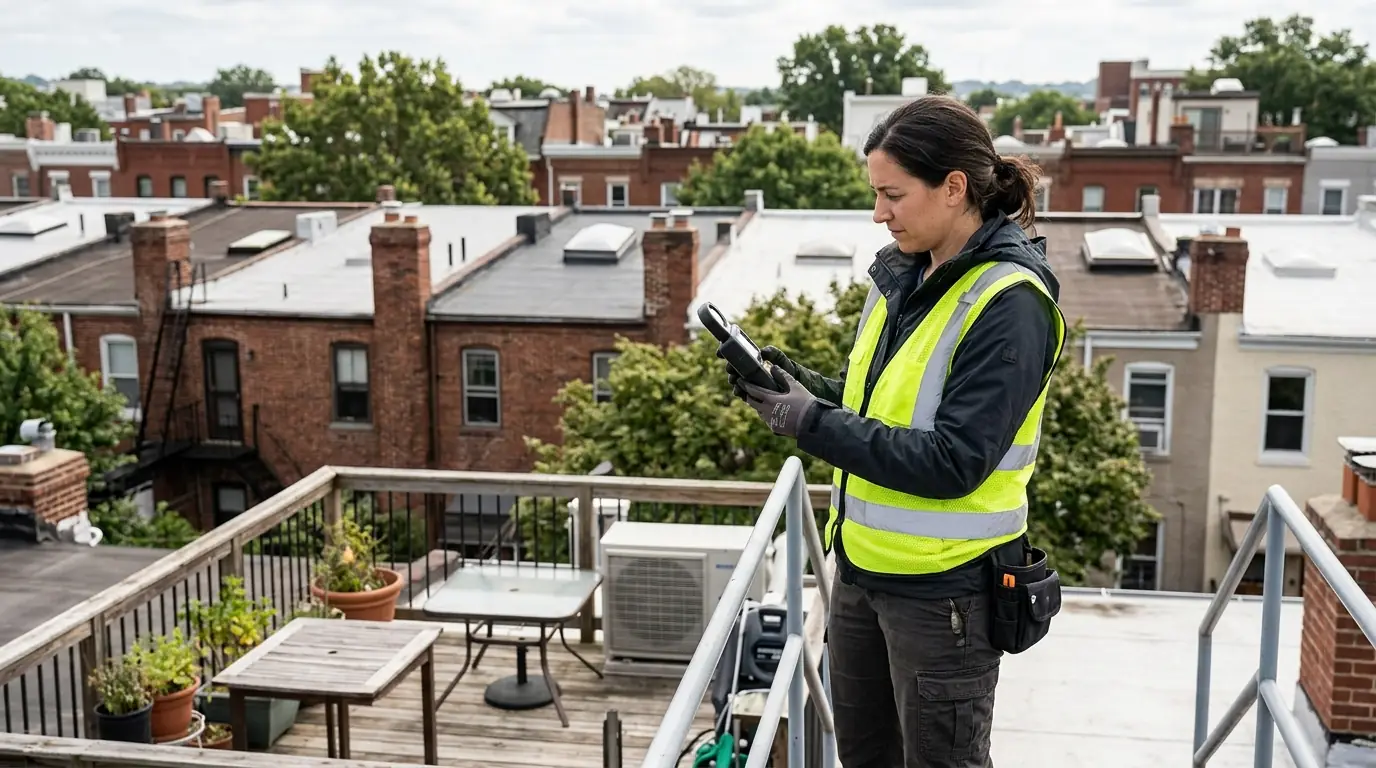
Planning and paperwork
Site checks, permits, Pepco, SRECs and inspections.
6 services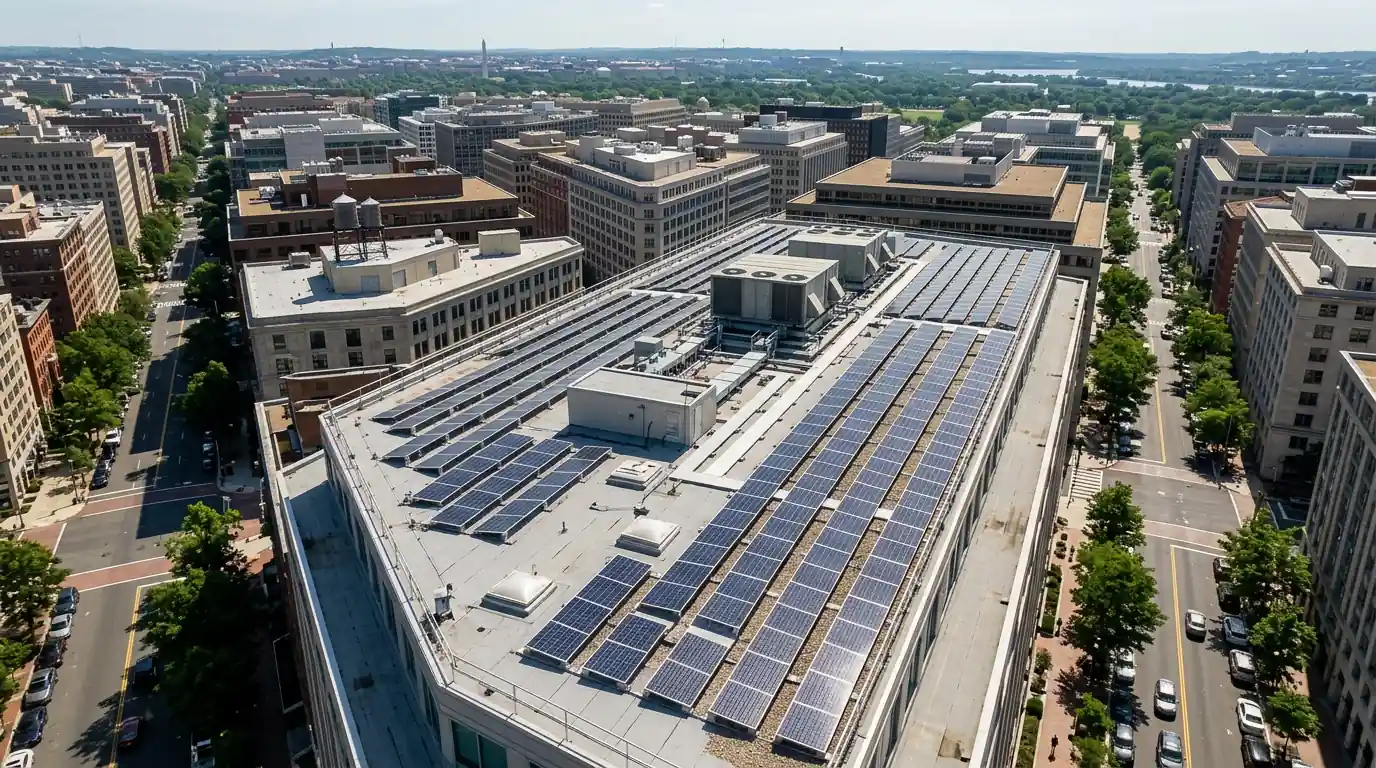
Commercial and multifamily
Buildings, parking, fleets and condo roofs.
6 servicesDC by the numbers
The numbers that shape a DC solar quote
These four figures come up on almost every call. Each is sourced, and each can move, so we recheck them before any proposal.
- $360 to $400Per MWh, the range DC SRECs traded in 2026, under a $440 compliance ceiling.Source: EnergySage, DC incentives 2026
- 1,150 kWhProduced per installed kW each year on a typical DC rooftop.Source: City Renewables, 2026
- 580+Rooftop solar installations approved across DC historic districts since 2009.Source: DC Historic Preservation Office
- Dec 31, 2025The last day the federal 25D residential solar credit applied to new systems.Source: SurgePV, DC incentives 2026
Rowhouse roofs
Most DC rooftops are flat, and that works in solar's favor
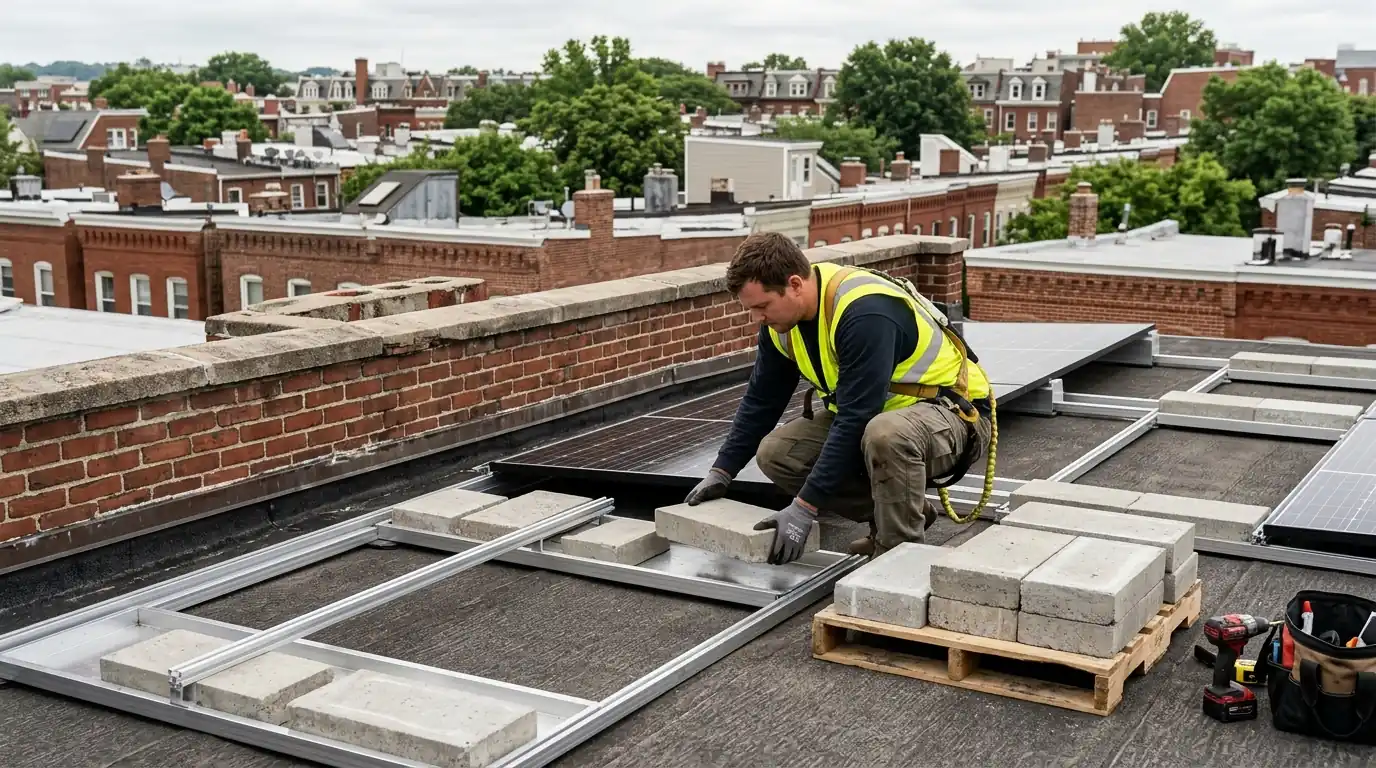
On a rowhouse with a rubber membrane roof, the array can sit behind the parapet where nobody on the sidewalk sees it, which matters on blocks inside a historic district. The catch is the membrane itself. If it has a few years left, the roof work goes first and the panels second.
We check the membrane, the deck and the parapet height, then choose between ballasted tilt racks and attached low-tilt racks. In Capitol Hill, Georgetown, Dupont Circle and Kalorama the plan also goes through historic preservation review, alongside the building permit and the Pepco agreement.
From the first call to power-on
Six steps between your call and a working system
Permits and Pepco usually take longer than the installation, so we start them early. From contract to a working system, DC jobs typically run three to six months.
- 1
You call
Any hour. We ask about the roof, the bills and anything that is broken right now.
- 2
Site visit
We look at the roof surface, the structure, the shade and the electrical panel before drawing a layout.
- 3
Design and price
You get the panel layout, the equipment list, a production estimate and a written price.
- 4
Permits and Pepco
We file the building and electrical permits, historic review where it applies and the Pepco Level 1 application.
- 5
Installation
Racking, panels, inverters and any battery go in, then the system is inspected.
- 6
Power on
Pepco grants permission to operate, we register the system for SRECs and set up monitoring.
Panels, inverters, batteries and chargers we install and service. We choose by roof, budget and warranty terms.
- Qcells
- REC
- Panasonic
- Silfab
- Canadian Solar
- Enphase
- SolarEdge
- SMA
- Tesla Powerwall
- FranklinWH
- IronRidge
- ChargePoint
- SPAN
How a job runs
What to expect from the crew on your roof
Every Renewing Energy job follows the same order: roof, design, paperwork, installation, then monitoring. On battery work we install units such as Tesla Powerwall, Enphase and FranklinWH, chosen by how the backup has to behave.
Roof before panels
If the membrane or shingles will not outlast the array, we say so and plan the roof work first. Pulling panels later costs real money.
Paperwork is part of the job
Permits, historic review, the Pepco agreement and GATS registration are filed by us, not handed back to you.
One number, any hour
The same line takes a 2 a.m. inverter alarm and a Saturday question about batteries.
Service after the install
Monitoring, cleaning, repairs and remove-and-reinstall work, on systems we built and on systems we did not.
Around the DMV
The District first, then the suburbs on both sides of the line
Most of our work happens inside DC, where the certificate market is strongest. We also take jobs in nearby Maryland and Northern Virginia, where the same panels earn very different certificate income.
Washington, DC
With SRECs near $360 to $400 per MWh, DC arrays are sized to make every certificate count. Rowhouse roofs and historic review shape most designs.
Maryland suburbs
Standard Maryland SRECs trade near $40, so the value leans on bill savings. Montgomery County issues rooftop permits through eSolar and SolarAPP+, and Prince George's County is phasing in automated permits.
Northern Virginia
Dominion kept one-to-one annual net metering under the April 2026 SCC order, which matters in Arlington and Fairfax County. In Alexandria, visible panels in the local historic districts go to the Board of Architectural Review.
Solar Guides
Solar answers for DC homeowners
Plain guides to the questions that decide whether solar fits your house.

What Solar Costs in Washington, DC in 2026
Per-watt prices, what moves them on a rowhouse and what SRECs return each year.
Read the guide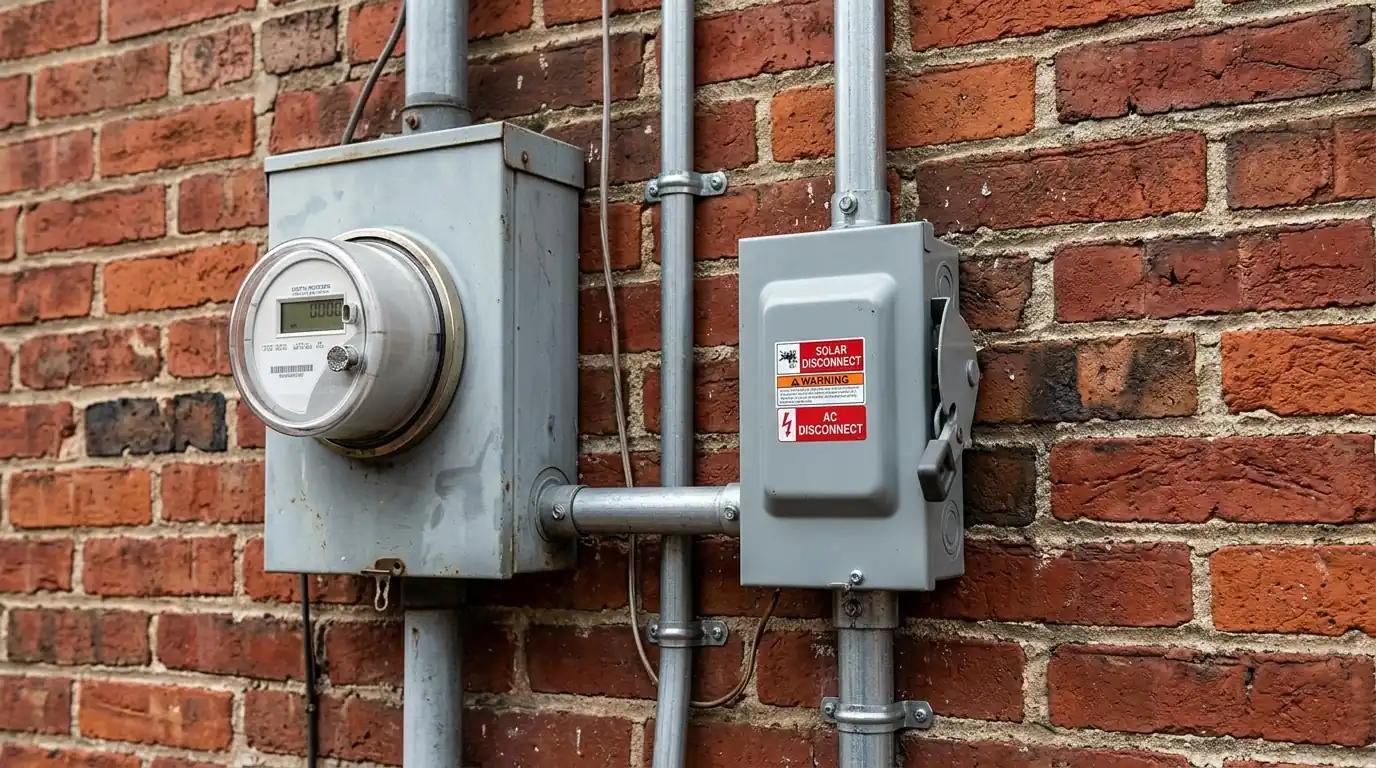
DC SRECs, Explained for Homeowners
How certificates are created, registered and sold, and why DC pays more than its neighbors.
Read the guide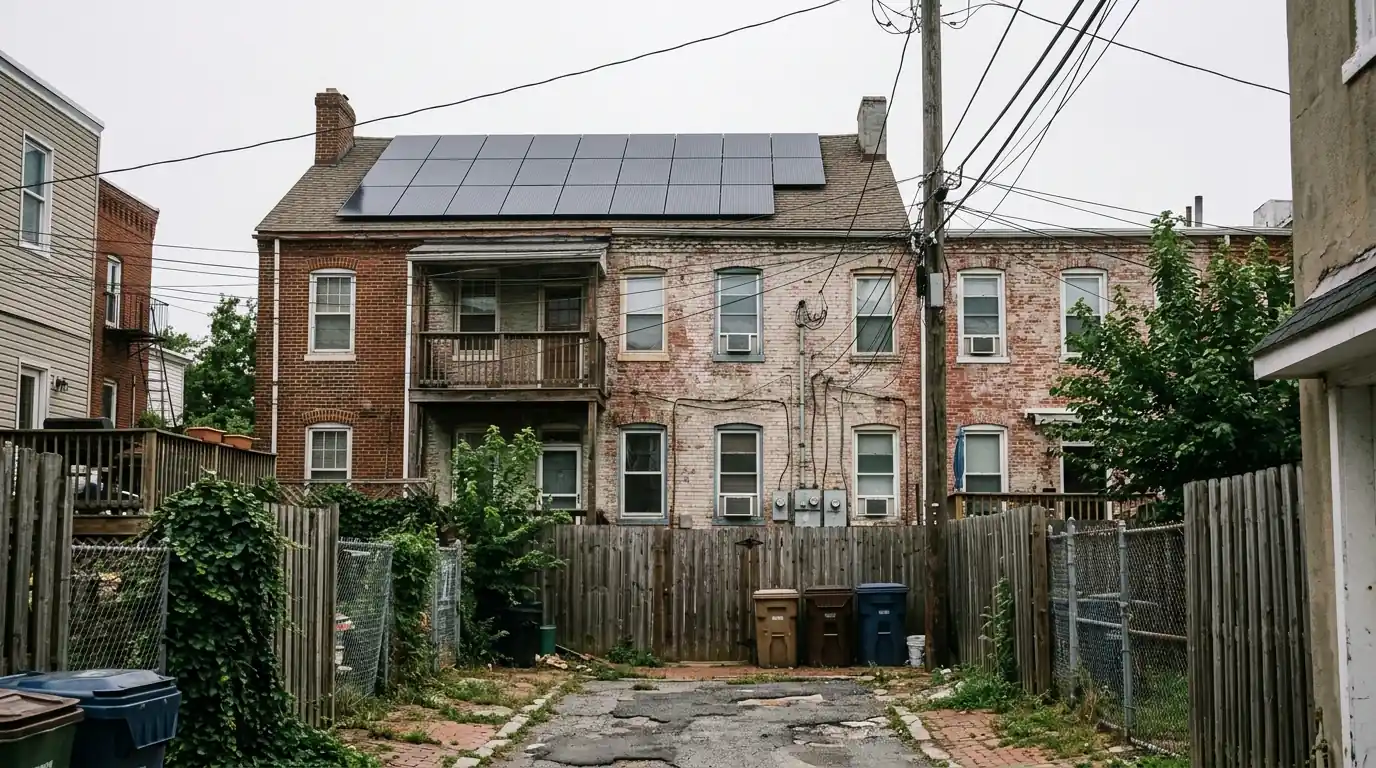
Solar in a DC Historic District: What Gets Approved
Where panels can go on a historic block and what the review asks to see.
Read the guideQuestions DC homeowners ask first
For most DC homes it still works, because the value now comes from local programs. DC SRECs traded around $360 to $400 per MWh in 2026, and Pepco net metering credits the power you export. We run the numbers on your roof and your bills before you commit.
Usually, yes. The DC Historic Preservation Office allows solar in historic districts and asks that panels limit what the street can see, so arrays behind a parapet or on a rear slope are the common route. We draw the plan and file the review alongside the permit.
From contract to a working system, DC jobs typically run three to six months. Most of that is permits, historic review and Pepco's interconnection steps.
Not for savings alone, since net metering already credits your exports. A battery earns its place when you want power during outages or have equipment that cannot go down. We size it to the circuits that matter to you.
We do. Most home systems use Pepco's Level 1 interconnection application, which carries a $100 fee at 10 kW or less, plus the net metering contract. After permission to operate, we register the system in PJM-GATS so it can earn SRECs.
Yes. Repairs, inverter swaps, cleaning, monitoring reconnects and remove-and-reinstall work all apply to systems we did not build, including systems whose original installer has closed.
Yes, in nearby Maryland and Northern Virginia. The certificate value changes at the line: standard Maryland SRECs trade near $40 and Virginia's 2026 SRECs were priced near $17, so suburban systems are sized mainly for bill savings.
Yes. The phone is answered 24 hours a day, every day of the year, so an inverter alarm, a leak around a mount or storm damage can be reported whenever you notice it.
Day or night
Talk to an installer about your roof
Tell us the roof type, roughly what your bills run and anything that has stopped working. We will tell you the next step, even when the answer is to fix the roof first.