
Updated
An electrical panel upgrade in Washington, DC usually means moving from 100-amp to 200-amp service so solar, a battery or an EV charger can connect safely. Replacing a 200-amp panel typically costs $1,800 to $2,500, per HomeGuide, before any Pepco service work. Many solar jobs avoid it with a breaker derate or a supply-side connection instead.
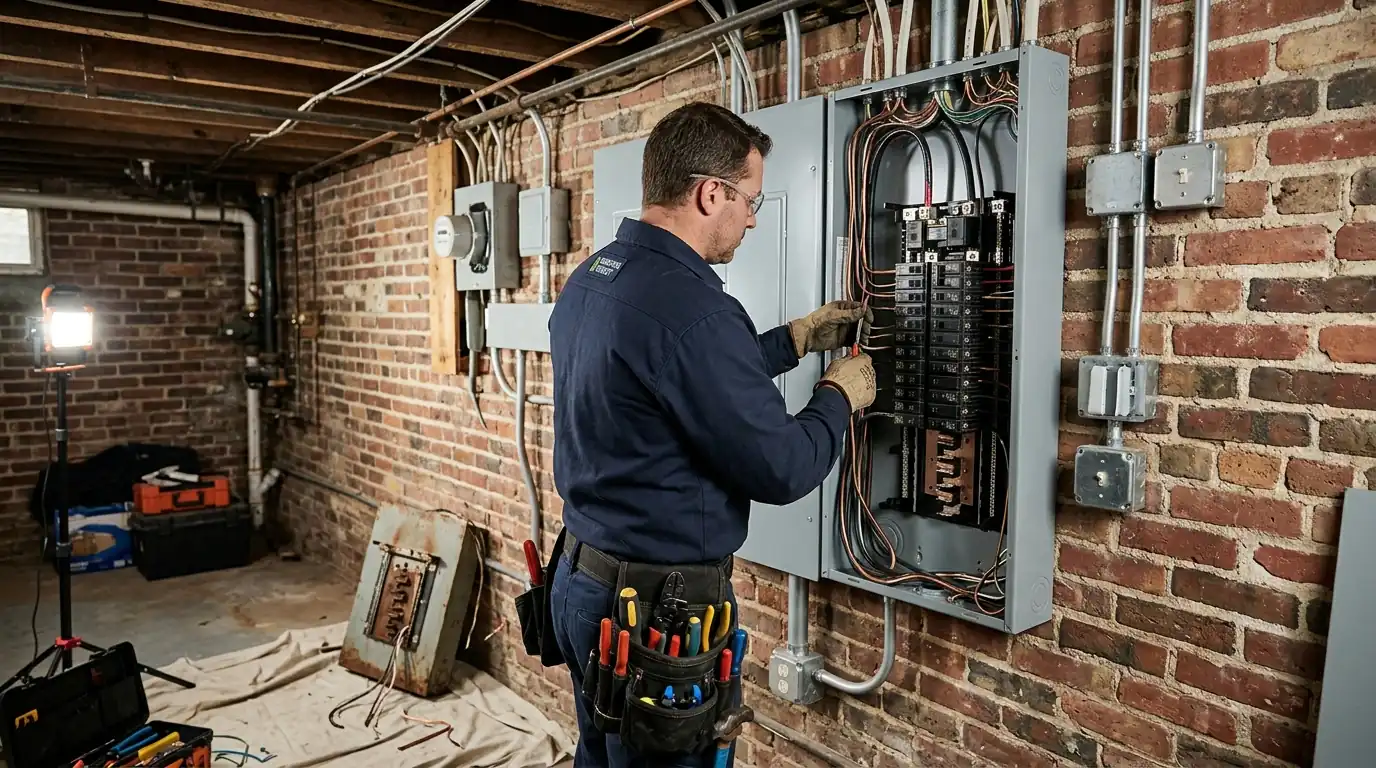
Why solar sometimes needs panel work first
A solar inverter feeds power back through your panel, and the electrical code limits how much a panel can take from both the utility and the solar at once. On a small or full panel, that limit is reached quickly, especially when an EV charger or heat pump is on the list too.
We start with a load calculation and the panel itself. Sometimes the answer is a full service upgrade; often it is a smaller change that costs less and avoids waiting on utility work. You get the options and the reason for each.
What decides the cost of panel work
The method we choose moves the price more than anything.
Method
A derate costs far less than a full service upgrade.
Utility work
Meter base or service changes add Pepco coordination.
Panel location
Moving a panel or extending conductors adds labor.
Branch circuits
Old wiring found during the swap may need repairs.
Permits
Every option needs an electrical permit and inspection.
Planning range: replacing an electrical panel with a 200-amp panel typically costs $1,800 to $2,500, per HomeGuide, before any utility-side work.
Source: homeguide.com, 2025-2026. A planning range, not a quote; your price follows the site visit.
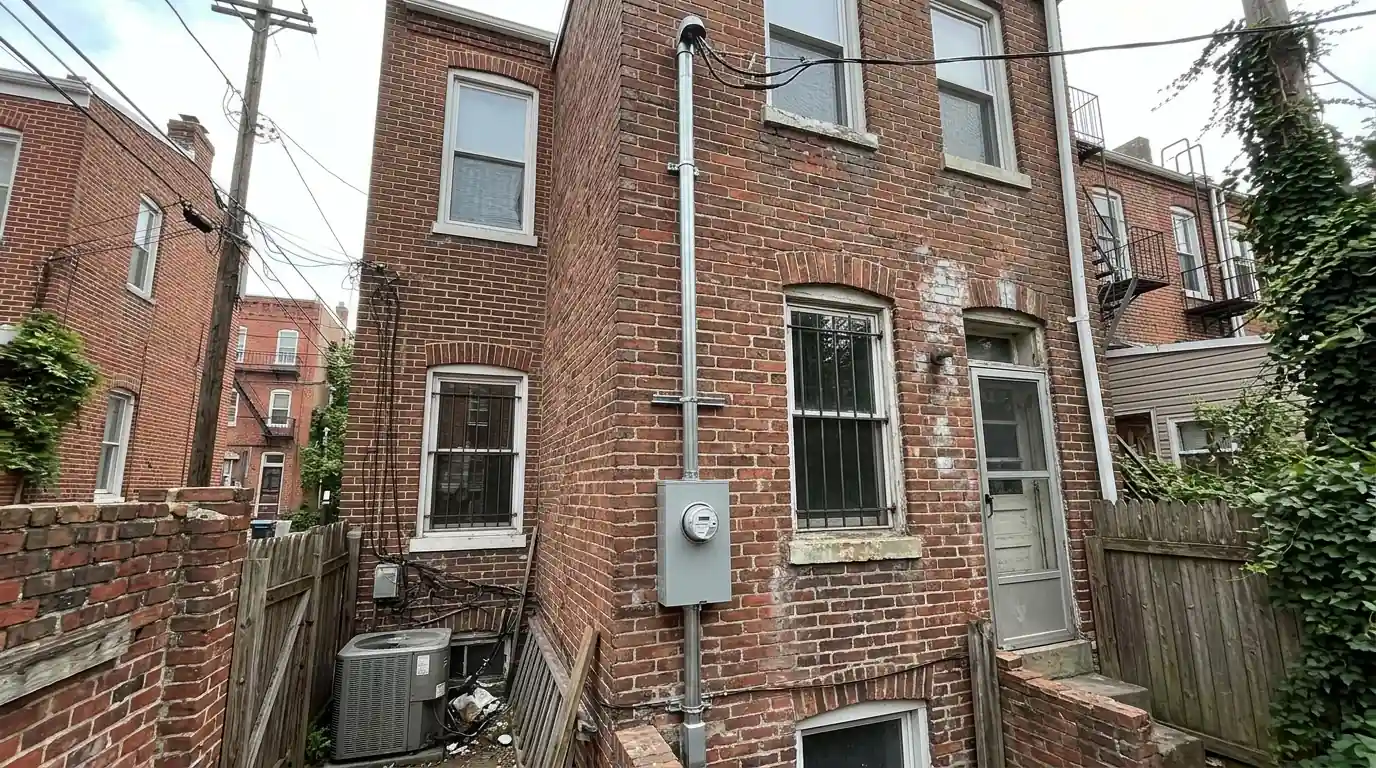
100-amp to 200-amp service upgrades
A service upgrade replaces the panel and the wiring from the meter, and usually the meter base, so the house can draw up to 200 amps. It needs an electrical permit and coordination with Pepco to disconnect and reconnect the service, and sometimes changes on the utility side of the meter. Power is off for part of a day. It is the right answer when the load calculation shows the house will regularly need more than the old service can safely deliver, with or without solar.
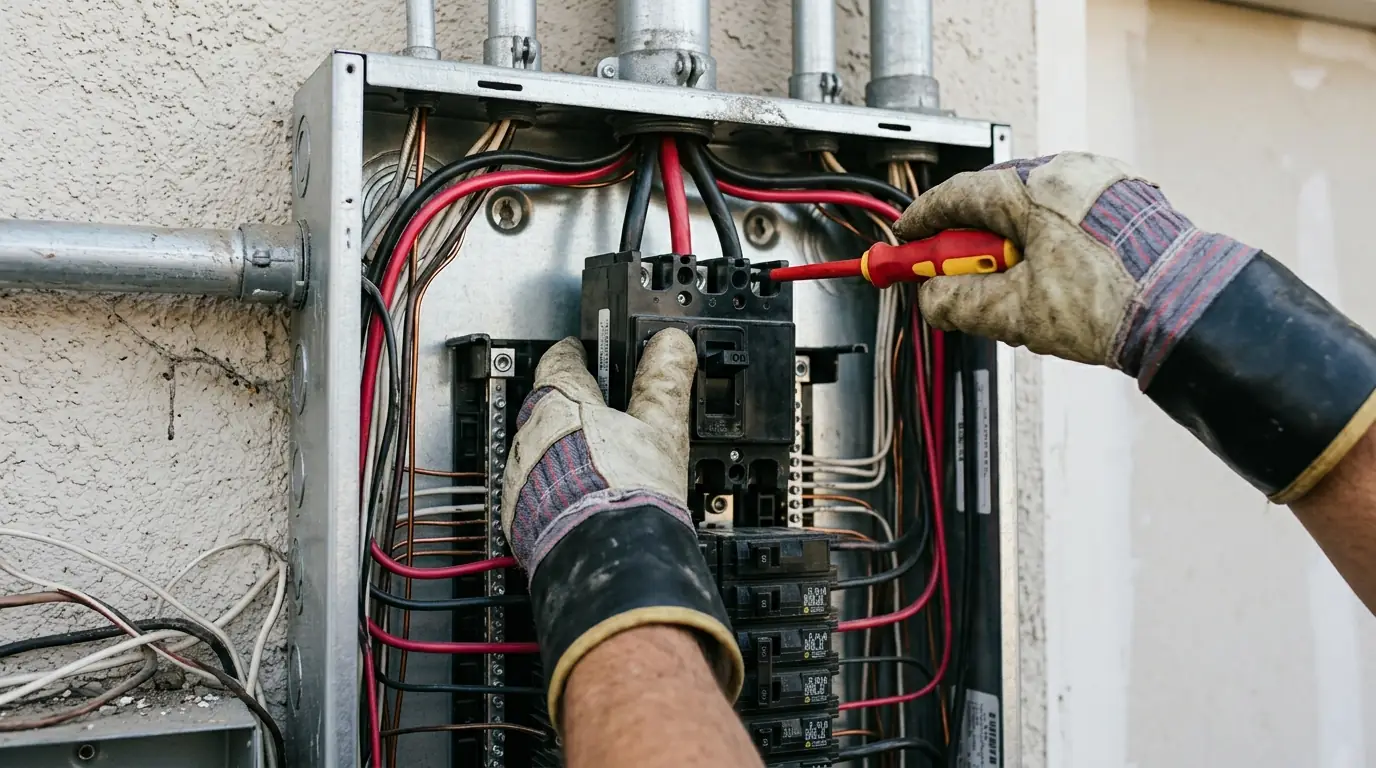
Main breaker derates
When the panel busbar is the only limit, swapping the main breaker for a slightly smaller one can make room for the solar breaker under the code's 120 percent rule. It is quick and inexpensive, but it lowers what the house can draw from the grid, so it only works when the load calculation shows plenty of headroom. We never derate a panel that is already running close to its limit, because that just moves the problem to a tripped main on a hot day.
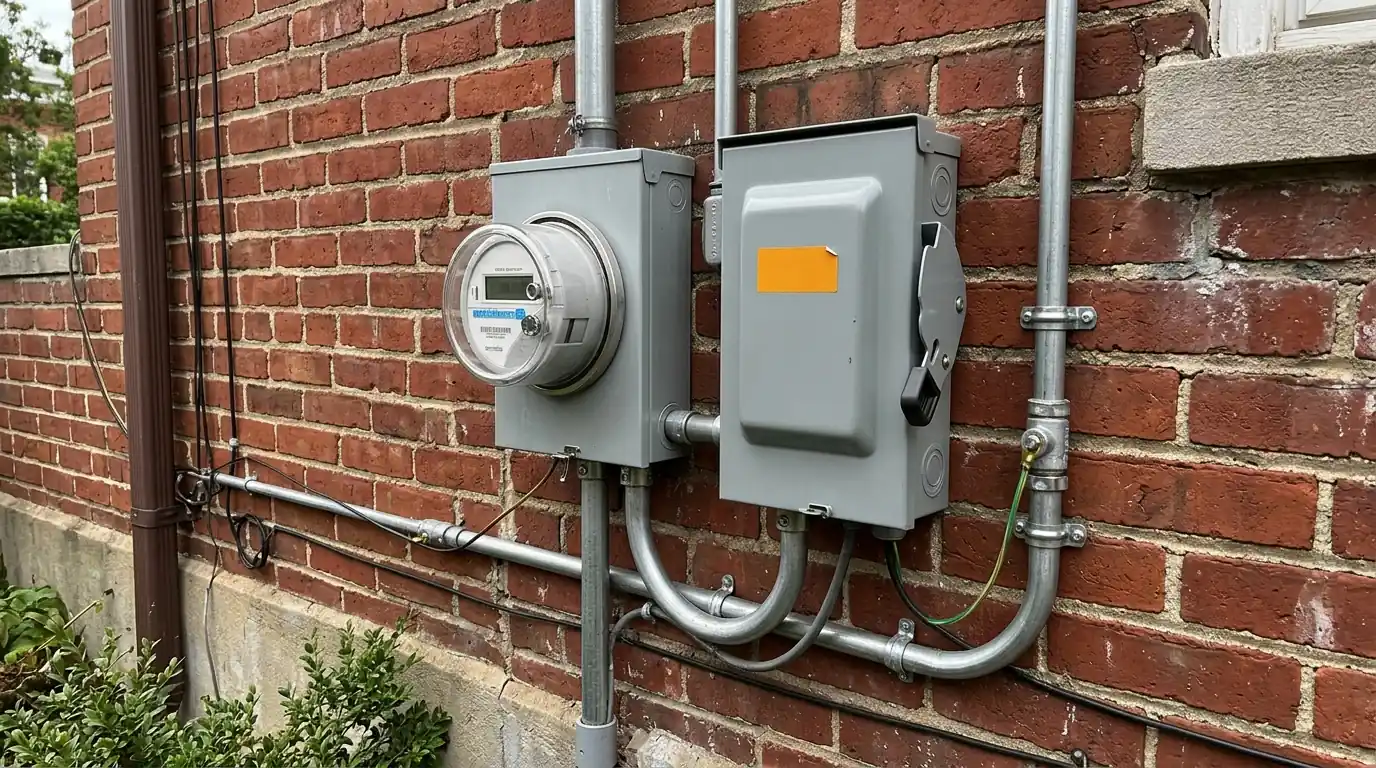
Supply-side connections
A supply-side connection ties the solar in between the meter and the main breaker, so it does not count against the panel busbar at all. It needs room in the service equipment and a proper disconnect, and the utility and inspector have to accept the method. Done right, it lets a larger array connect to an older panel without replacing it. We check the meter base and service conductors first, because not every installation has space for a safe tap, and we would rather say so than force it.
Panel work tied to a DC solar job
When the panel work is part of a solar install in the District, it runs alongside the interconnection. Pepco's Green Power Connection team reviews most home systems under its Level 1 application, which needs the signed interconnection application, the net metering contract and a net-capable meter, and the fee is $100 for systems of 10 kW or less. We sequence the panel upgrade and that application together, so the inspector, the meter change and Pepco's approval line up instead of waiting on each other.
Sources: dcsolarguide.org, cityrenewables.com
How panel work runs
- 1
You call
Tell us the panel size and what you want to add.
- 2
Load calculation
We measure the house load against the service.
- 3
Options
Derate, supply-side connection or full upgrade, explained.
- 4
Permit and Pepco
Electrical permit filed and the utility date set.
- 5
Install
Panel or service work with the power off.
- 6
Inspect
Inspection passed, power back on, circuits labeled.
How long the power is off
A breaker derate or adding a solar breaker takes an hour or two with the power off. A panel replacement usually means power off for most of a working day.
A full service upgrade depends on Pepco, which has to disconnect and reconnect the service. We schedule that date with the utility in advance so the outage is planned, and keep the refrigerator and essentials in mind when choosing the day.
Panel upgrade questions
Not always. Many systems connect through a derate or a supply-side tap. The load calculation decides.
An hour or two for small changes; most of a day for a panel swap or service upgrade.
For a service upgrade, yes. We coordinate the disconnect and reconnect date.
Often. Sometimes load management or a smart panel avoids the upgrade.
Generally no. Fuse panels are usually replaced before any solar connection.
Yes, always, with an inspection before the power comes back on.