
Updated
SREC registration in Washington, DC takes two filings: certification with the DC Public Service Commission and a PJM-GATS account that records your production. Each MWh your array makes becomes one SREC, and DC certificates traded around $360 to $400 in 2026. Until both filings are in, the power still offsets your bill, but no certificates are issued.

What registering a DC system actually involves
A DC solar renewable energy certificate is created for every megawatt-hour your system produces, but only after the system is certified and its production is being reported. Owners usually call us when an installer skipped that step, closed down, or registered the system under a previous owner.
We gather the interconnection paperwork, the inverter and meter details and the Pepco permission-to-operate date, file the certification, open or transfer the GATS record and set up how production is reported. Then we walk you through the selling options so certificates do not sit unsold.
Spot sales, fixed contracts or a broker
Three common ways to turn DC certificates into money.
| Spot sales | Multi-year contract | Broker or aggregator | |
|---|---|---|---|
| Price | Follows the market each time you sell | Fixed per certificate for the term | Market price, minus the broker fee |
| Your effort | You list and sell each batch | Signed once, then automatic | Handled for you |
| Fits owners who | Watch the market | Want predictable income | Want nothing to manage |
| Main risk | Prices may step down as DC adds solar | Locked in if prices rise | Fees and terms vary |
Market context: DC SRECs traded around $360 to $400 per MWh in 2026 (EnergySage). Prices move, so confirm current terms before you sign.
What changes the cost of SREC paperwork
Registration is paperwork, so the cost follows how much of the record already exists.
Missing interconnection documents
If the Pepco agreement or permission letter cannot be found, requesting copies adds days.
A change of owner
A home sold with solar needs the GATS record moved, which takes the seller or proof of sale.
How production is reported
A working revenue-grade meter is simplest; reviving a dead monitoring feed needs a visit.
Unreported months
Backfilling missed production needs meter readings that cover each gap.
Changes to the system
Added panels or a new inverter mean the certified capacity has to be updated.

DC PSC certification for your solar system
Before a DC system can create SRECs, the DC Public Service Commission has to certify it as an eligible generator. The application asks for the system size, the equipment, the install address and the date Pepco authorized operation. The symptom that sends people to us is simple: the panels have been running for months and no certificates have appeared. The fix is a complete application with the right supporting documents, not new hardware. There is no market price to quote for this part, because the work is paperwork and time rather than parts.
Opening or transferring a PJM-GATS account
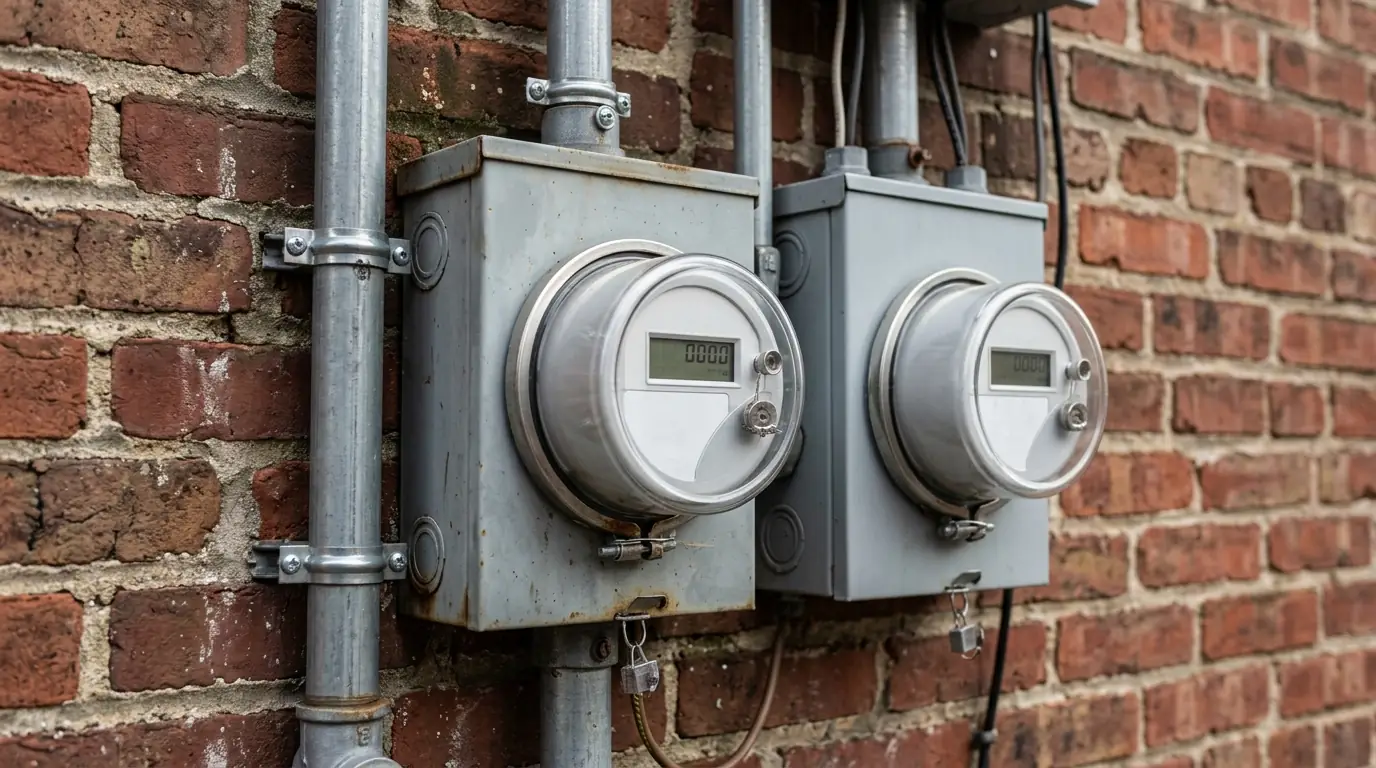
PJM-GATS is the tracking system where your production turns into certificates. Each system needs an account and a way to report generation, from a revenue-grade meter, the inverter monitoring or an aggregator who reports for you. Two problems come up again and again. A home sold with solar on the roof and the GATS record still sits under the seller, or the monitoring feed stopped after a router change and months of production were never logged. If the original installer has closed, our service for orphaned systems rebuilds the records side too.
Choosing how to sell your DC SRECs
Once certificates are issued, someone has to sell them. Owners usually choose between selling on the spot market as credits accrue, signing a multi-year contract at a fixed price, or handing the account to a broker who sells for a fee. Spot sales follow the market, which sat around $360 to $400 per certificate in 2026. A fixed contract trades some of that upside for predictable income, and a broker trades a fee for having nothing to manage. We lay the terms side by side, and the choice stays with you.
What the registration job covers
- Collecting the Pepco permission-to-operate letter and interconnection agreement
- Confirming system size and inverter model on site
- Preparing and filing the DC Public Service Commission certification
- Opening a PJM-GATS account or transferring an existing record into your name
- Setting up production reporting
- Checking for months of production that were never reported
- Walking you through spot, contract and broker selling options
- A written summary of account numbers, logins and the reporting method

Why registration matters more inside the District line
Certificate value is where DC and its neighbors part ways. DC SRECs traded around $360 to $400 per MWh in 2026, while standard Maryland certificates sat near $40, so an unregistered array in the District leaves far more on the table than the same array in Takoma Park or elsewhere in Montgomery County. And the order matters: after Pepco grants permission to operate, the system still has to be registered in PJM-GATS before a single DC certificate exists.
Sources: energysage.com, energysage.com, cityrenewables.com
From a folder of papers to certificates on sale
- 1
You call
Tell us when it was turned on and who installed it.
- 2
Record check
We gather the interconnection agreement, the permission-to-operate date and the equipment list.
- 3
Site confirmation
A short visit confirms panel count, inverter model and how production can be reported.
- 4
Certification
We prepare and file the DC Public Service Commission application.
- 5
GATS setup
We open or transfer the PJM-GATS record and connect the reporting method.
- 6
Selling plan
You choose spot, contract or broker, and get a written summary of every account.
SREC questions from DC system owners
Once the system is certified and production is reported in PJM-GATS. File soon after Pepco's permission to operate to avoid unclaimed months.
A DC SREC stays usable for compliance for five years after the year it is generated, so a 2026 certificate can still be sold through 2030.
If you own the system, yes, once the GATS record moves into your name. Leased and PPA systems usually keep their certificates with the provider.
No. Net metering credits on your Pepco bill run separately from SRECs. Registration adds certificate income on top of the bill savings.
Yes. We work from the interconnection records and a check of the equipment on the roof, whoever installed it.
Maryland runs its own SREC market, and standard Maryland certificates traded near $40 in 2026, far below DC.