
Updated
Solar permitting in Washington, DC means a building permit, an electrical permit, historic preservation review in historic districts, and Pepco interconnection before the system can run. From contract to a working system, DC jobs typically take three to six months. Pepco's application fee is $100 for systems of 10 kW or less.
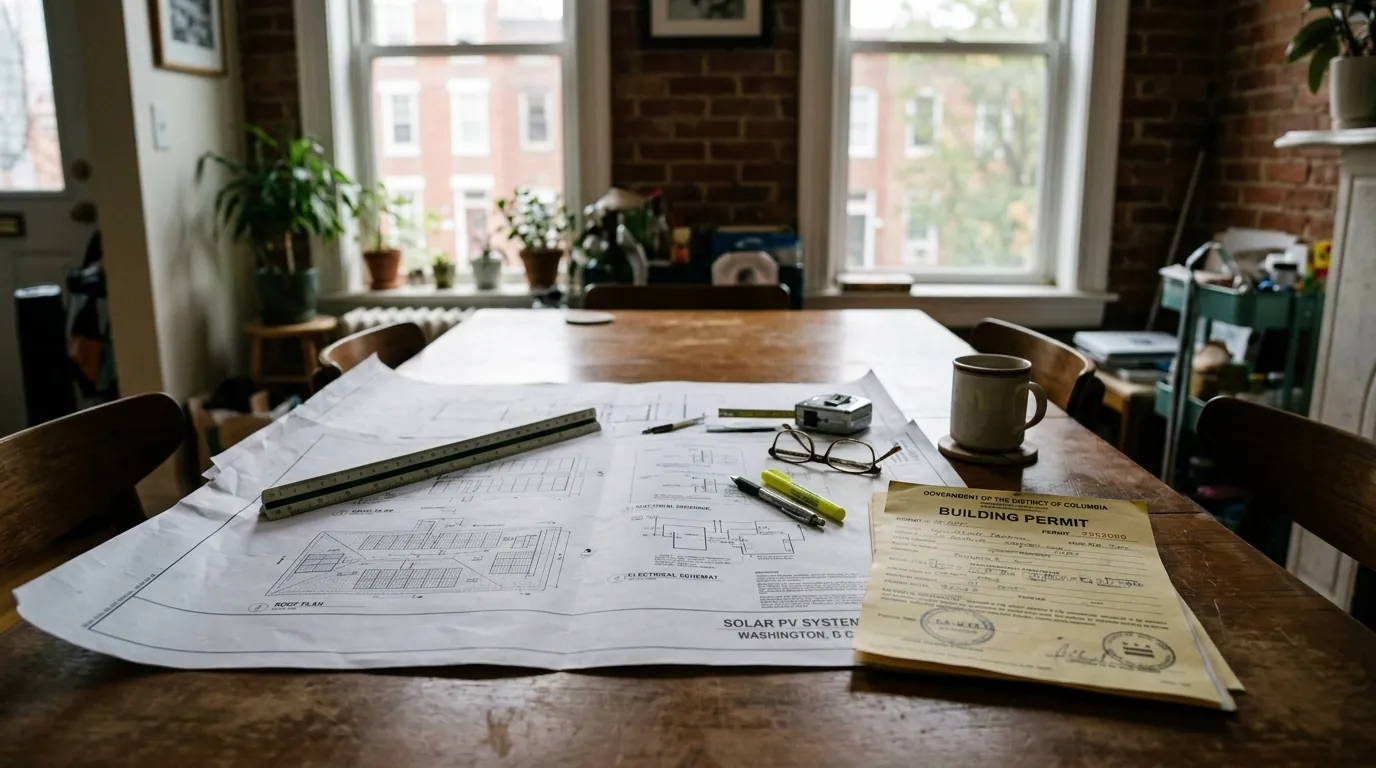
Why permits decide your timeline
The crew can install a typical home system in a short visit. Getting to that visit, and from the inspection to power-on, is the long part: plan review, historic review where it applies, inspections and the utility's approval each take their own time.
We file everything in the right order, answer reviewer comments, schedule inspections and push for Pepco's permission to operate. You get a status update at each step instead of wondering where things stand.
What affects the cost of the paperwork
Most of this cost is time, not materials.
System size
Larger systems can move past the Level 1 process.
Historic review
Extra drawings and photos add design time.
Structural review
Some roofs need engineering for the permit.
Reviewer comments
Each revision round adds time.
Utility upgrades
Pepco may require meter or service changes.
Planning range: Pepco charges a $100 interconnection application fee for systems of 10 kW or less; permit fees are set by the city.
Source: cityrenewables.com, 2026. A planning range, not a quote; your price follows the site visit.

Building and electrical permits
Every DC solar system needs permits for the structure and the electrical work. The application includes the roof layout, the attachment or ballast details, structural information where needed, and the electrical single-line diagram. Reviewers may come back with comments, and quick, complete answers keep the clock moving. After installation, inspections confirm the work matches the approved plans. We prepare the drawings, file them, respond to comments and meet the inspector on site, so you do not have to take the day off.
Historic preservation review
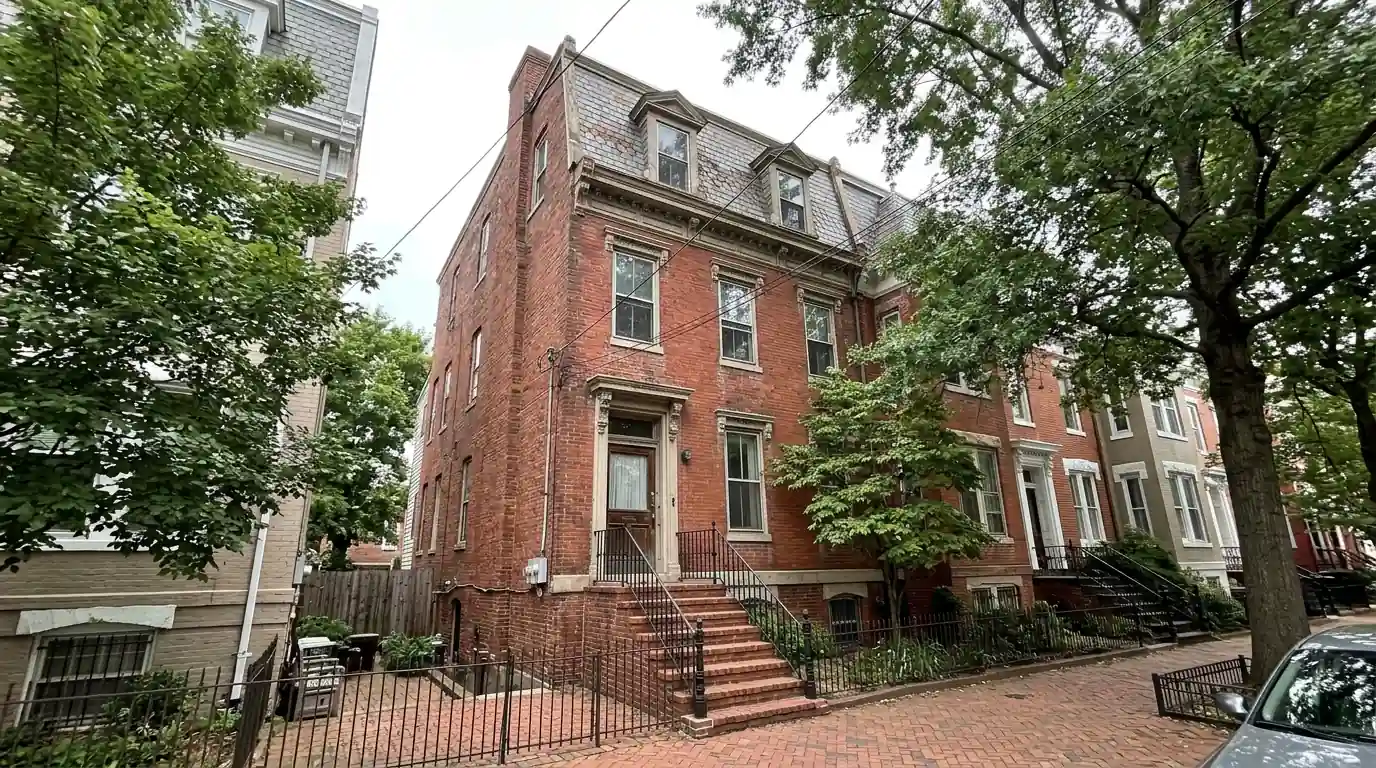
If the house is in a historic district or is a landmark, the plans also go to historic preservation review. Staff look at visibility from the street, the panel color and how the array sits on the roof. Rear slopes and flat roofs behind a parapet usually clear review most easily; street-visible arrays need more care in the design. We prepare sightline photos and drawings that answer the questions reviewers ask, which saves a round of revisions. If review asks for changes, we adjust the layout and resubmit.
Pepco Level 1 interconnection
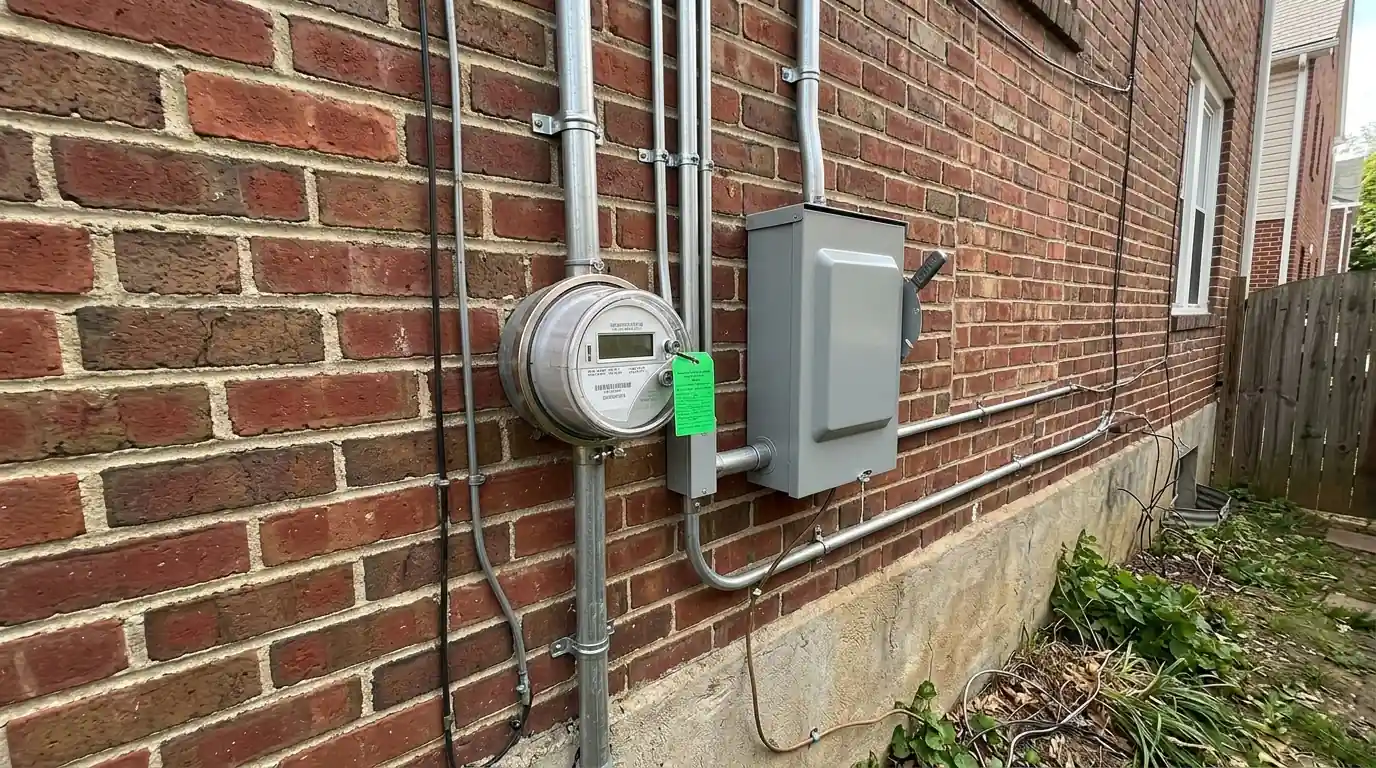
Pepco has to approve any system that connects to its grid. Most home systems use the Level 1 application, filed with a signed interconnection agreement and the net metering contract, and Pepco installs or enables a net-capable meter. After the city inspection passes, Pepco grants permission to operate, and only then can the system run. We file the application early, track it, and register the system for SRECs once permission comes through. You get a copy of the approval for your records.
Permits on historic blocks
On blocks in Capitol Hill or Georgetown, solar needs historic preservation review on top of the building permit and the Pepco interconnection agreement, so the paperwork has three tracks instead of two. That extra track is one reason DC solar jobs typically run three to six months from contract to a working system. We file the historic submission alongside the permit drawings so the two reviews overlap, rather than waiting for one to finish before starting the other.
Sources: cityrenewables.com
How the paperwork runs
- 1
You call
Tell us where the job stands and what is stuck.
- 2
Drawings
Layout, structural details and the single-line diagram.
- 3
Filing
Permits, historic review and Pepco filed together.
- 4
Comments
Reviewer questions answered quickly.
- 5
Inspection
We meet the inspector on site.
- 6
Permission
Pepco permission to operate and SREC registration.
How long DC solar paperwork takes
From contract to a working system, DC solar jobs typically take three to six months. Historic review, reviewer comments and Pepco's queue are what stretch it; the installation itself is the short part.
We start the permit drawings and the Pepco application as soon as the design is approved, run them in parallel where the rules allow, and tell you when each approval lands.
What owners can do, and what we file
Helpful from you
- Sign the Pepco interconnection agreement and net metering contract
- Share your Pepco account details
- Let us know if the house is in a historic district
- Be available, or have someone there, for inspections
What we file and track
- Permit drawings and the single-line diagram
- Building and electrical permit applications
- Historic review submissions and sightline photos
- The Pepco application through permission to operate
Permit and interconnection questions
No. Running before permission to operate can put the interconnection agreement at risk.
Often, yes. We review where each application stands and pick it up.
Only in historic districts or on landmark properties.
The account holder signs; we prepare and file it.
It is usually waiting on inspection or Pepco's permission to operate.
Yes. Storage changes the interconnection and is filed with Pepco.