
A DC SREC is a certificate created for every megawatt-hour a registered solar system produces, and utilities buy them to meet the District's solar requirement. In 2026 they traded around $360 to $400 each, per EnergySage, with a $440 compliance-payment ceiling. A system earns them only after DC certification and PJM-GATS registration.
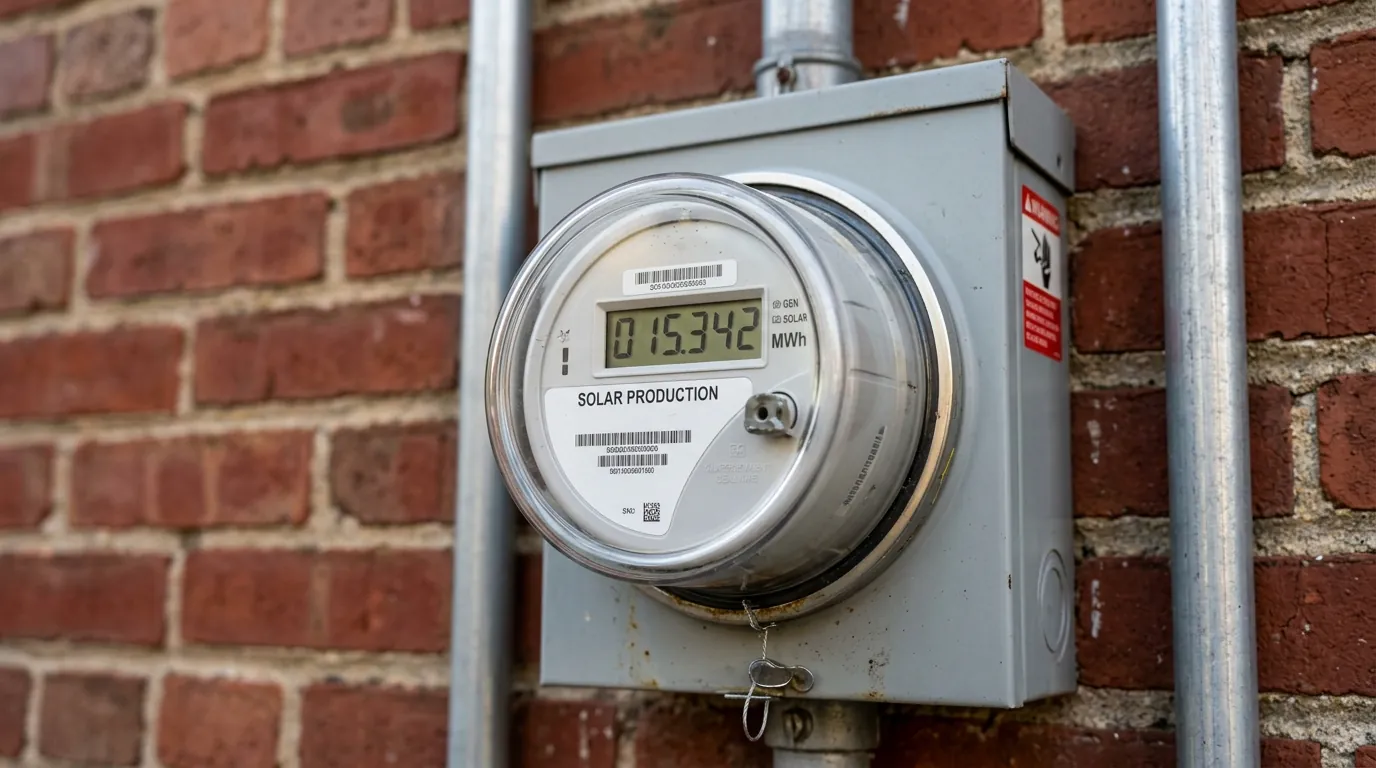
What an SREC actually is
Every MWh of electricity your array produces can become one solar renewable energy certificate. The certificate is separate from the electricity itself: you still use or export the power, and the certificate is sold on its own to suppliers who must buy a set amount of solar under DC law.
DC's renewable portfolio standard includes a solar carve-out that rises to 10 percent by 2041. Suppliers that fall short pay a compliance payment, which acts as a ceiling on certificate prices.
Sources: en.wikipedia.org
Why DC certificates are worth more
In 2026, DC SRECs traded around $360 to $400 per MWh, per EnergySage, under a compliance-payment ceiling of $440. Across the line, standard Maryland SRECs traded near $40 and Virginia's 2026 vintage was priced near $17.
The difference comes from each jurisdiction's rules: DC has a demanding solar requirement and limited room to build solar inside its borders. That is why the same array earns very different certificate income a few blocks apart.
Sources: energysage.com, energysage.com, ajlongelectric.com
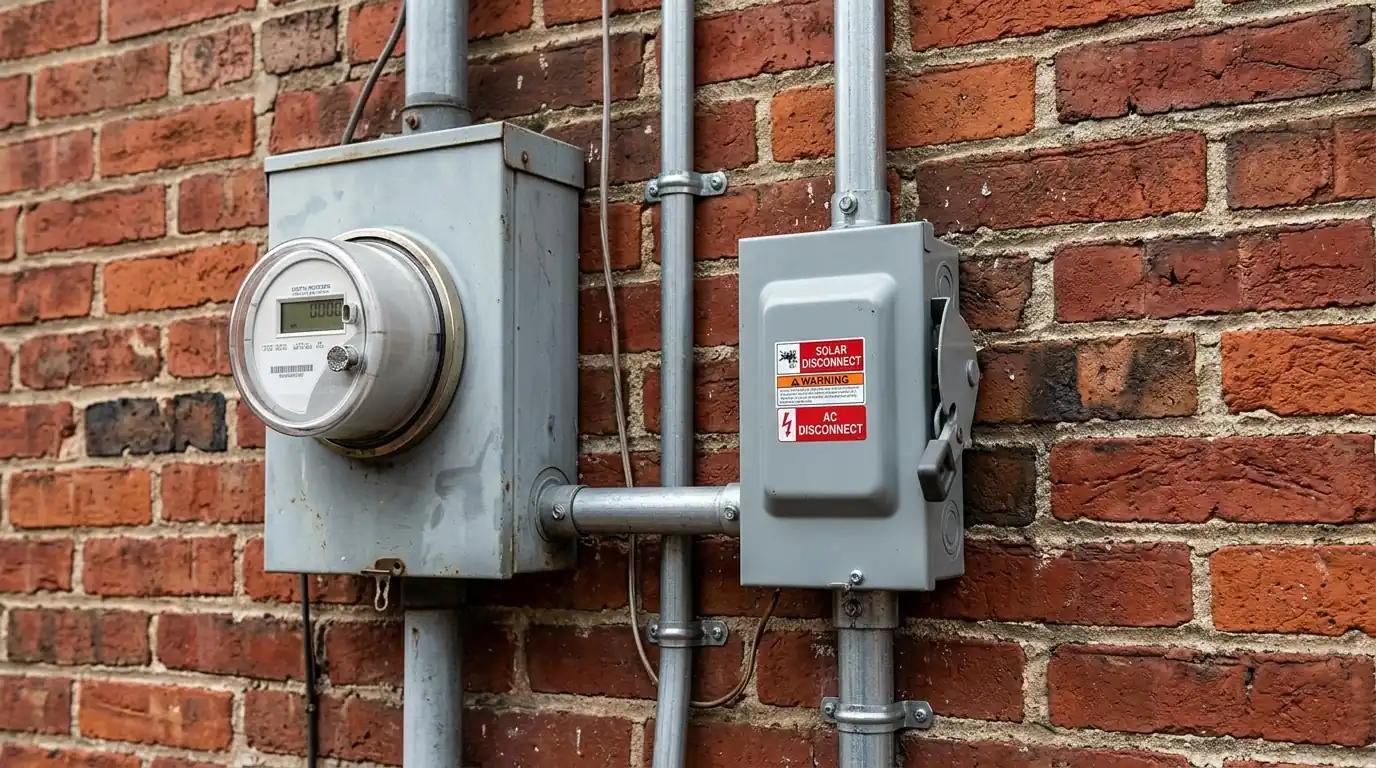
Registration: the step that decides whether you get paid
A DC system has to be certified by the DC Public Service Commission and registered in PJM-GATS, the tracking system where production becomes certificates. City Renewables notes that registration in GATS happens after Pepco grants permission to operate.
Many owners lose months of certificates because the step was skipped, the installer closed, or the record stayed under a previous owner. If certificates have never appeared, the record is the first thing to check.
Sources: cityrenewables.com
How long a certificate stays sellable
A DC SREC can be used for compliance for five years after the year it is generated, according to City Renewables, so a 2026 certificate remains sellable through 2030. That gives owners some room to time a sale.
It also means unsold certificates have value when a house is sold, which is worth settling in the sale contract.
Sources: cityrenewables.com
Not sure whether your system is registered? We can check the record for you.
Call (771) 247-9849SRECs when you sell the house
An owned system's certificates follow its PJM-GATS record, not the deed. If the record stays in the seller's name after closing, the buyer's production keeps generating certificates for the wrong account.
Because a DC SREC stays sellable for five years after it is generated, certificates already issued but not yet sold also have value. Both points belong in the sale contract, along with any multi-year SREC contract that is still running.
Sources: cityrenewables.com
Common registration mistakes
Most lost certificate income traces back to a handful of avoidable problems. They are worth checking if your system has been running for a while and the payments seem low or missing.
- Registration never filed after permission to operate
- GATS record still under a previous owner
- Monitoring feed stopped, so production was not reported
- Capacity not updated after adding panels
- Certificates issued but never sold
Ways to sell your certificates
Owners generally choose between selling on the spot market as certificates accrue, signing a multi-year contract at a fixed price, or using a broker who sells for a fee. Spot sales follow the market; contracts trade upside for predictability; brokers trade a fee for convenience.
Read the contract terms before you sign. EnergySage notes DC prices may step down as more solar is built, which matters for long fixed contracts and for spot sellers alike.
- Spot sales: follow the market
- Fixed contracts: predictable income
- Brokers: hands-off, for a fee
Sources: energysage.com
SREC questions
One per MWh. A typical DC roof makes about 1,150 kWh per installed kW a year.
Around $360 to $400 each, per EnergySage, under a $440 ceiling.
Yes: DC certification and PJM-GATS registration, after Pepco permission to operate.
Five years after the year it was generated.
No. Maryland systems earn Maryland certificates, which traded near $40 in 2026.
Electricity suppliers that must meet DC's solar requirement, usually through brokers or aggregators.