
DC Solar for All is open to households at or below 80 percent of area median income. It offers no-cost rooftop solar for income-qualified homeowners, including needed roof repairs, and community solar credits for households without a suitable roof. The program aims to reach 100,000 households and cut their bills by half by 2032, and it was running a waitlist in FY26.
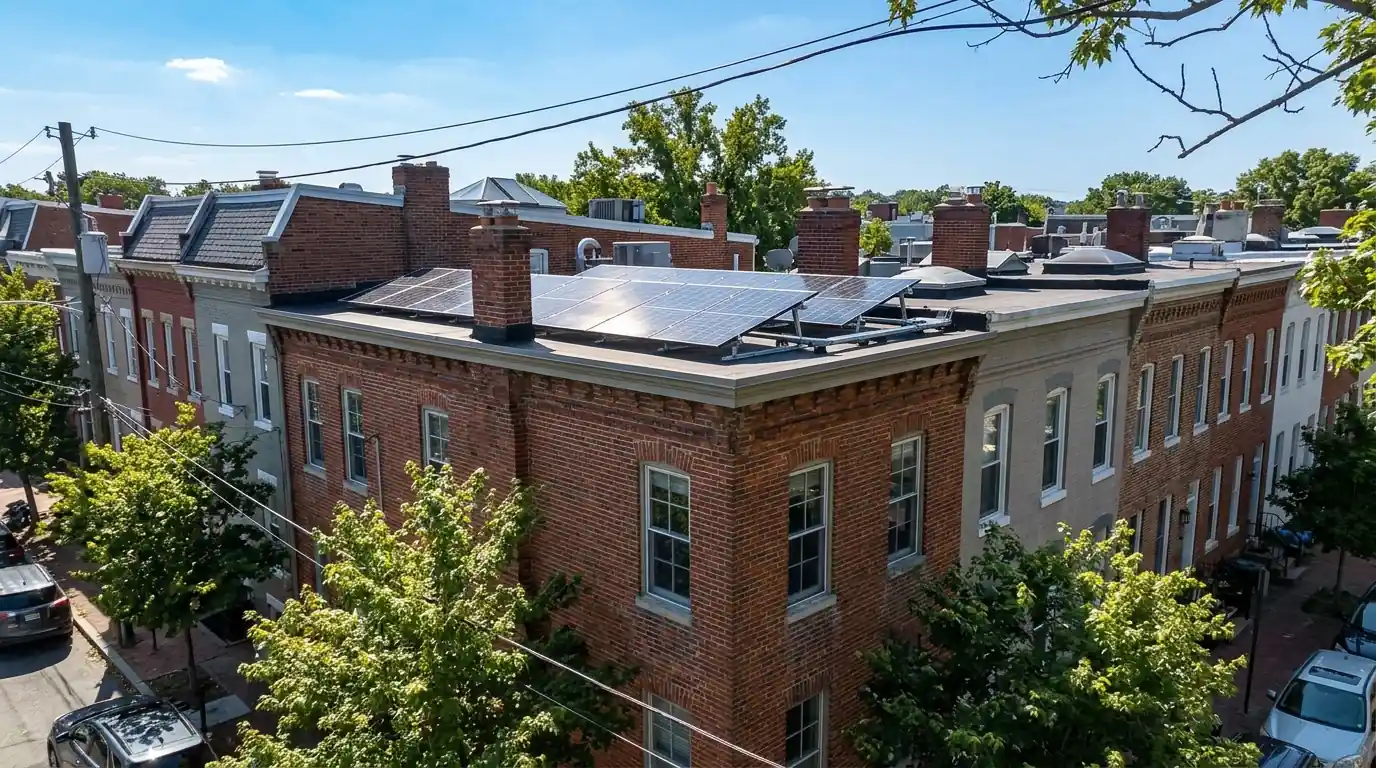
What Solar for All is
Solar for All is a District program run by the Department of Energy and Environment. Its goal is to bring the benefits of solar to 100,000 households at or below 80 percent of area median income, and to reduce their energy bills by 50 percent by 2032.
It delivers that benefit two ways: rooftop systems on qualifying homes, and community solar subscriptions that credit bills for households whose roofs are not suitable.
Sources: lowincomesolar.org
Who qualifies
Households qualify when total household income is at or below 80 percent of area median income, a limit that depends on household size and is updated periodically. DOEE's income verification guidance allows categorical eligibility, for example confirmation of LIHEAP eligibility within the past year, or documented income for everyone in the home.
Because the limits change, check the current table with the program before assuming you are in or out.
- Household income at or below 80 percent of AMI
- Proof through a qualifying benefit program, or income documents
- A DC address; rooftop systems need a suitable roof you own
Sources: doee.dc.gov, solarbuildermag.com
Rooftop solar or community solar
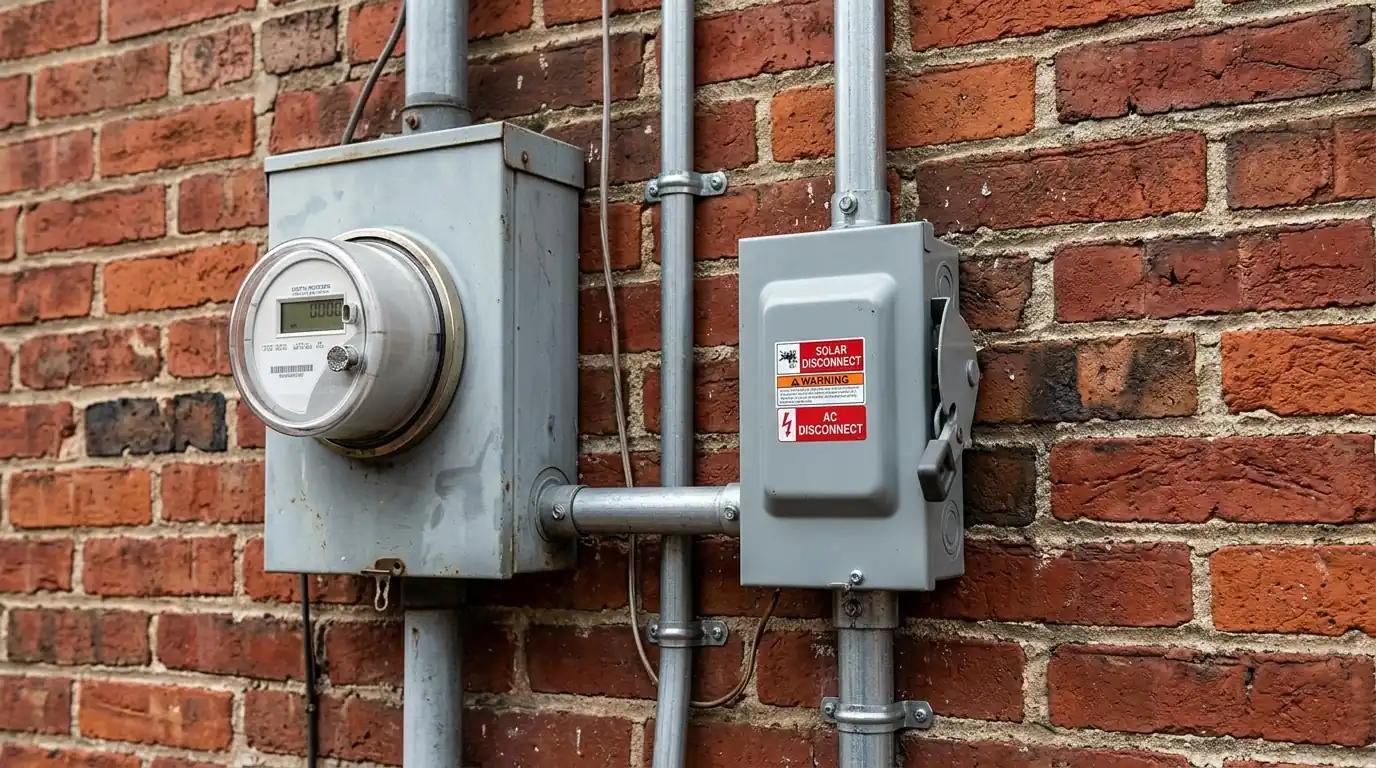
For income-qualified homeowners, the rooftop option provides solar at no cost and covers needed roof repairs before installation, according to a 2026 program directory listing. Community solar works without panels on your roof: participating families receive a credit off their monthly energy bills.
Renters and homeowners with shaded or unsuitable roofs usually look at the community solar route.
Sources: api.thegrantmap.com, solarbuildermag.com
Above the income limit? Call and we will tell you what an owned system would do for your roof.
Call (771) 247-9849The waitlist reality
The rooftop program listed an FY26 waitlist, and EnergySage also reported it waitlisted as of mid-2026. Applying still makes sense if you qualify, but plan for a wait rather than a quick installation.
Program installations are done by contractors working under DOEE. If someone offers you Solar for All, confirm with the program that they are part of it before you sign anything.
Sources: api.thegrantmap.com, energysage.com
If your income is above the limit
Households that do not qualify still have options. The Solar Advantage Plus Program lists a rebate of up to $10,000 for qualifying homeowners, and every owned DC system can earn SRECs, which traded around $360 to $400 each in 2026.
For many DC homes, those certificates and net metering make an owned system pay back over time even without the federal credit. A site assessment tells you whether your roof is a good candidate.
Sources: energysage.com
Solar for All questions
80 percent of area median income, which varies by household size and is updated periodically.
The rooftop option is no-cost for income-qualified homeowners, including needed roof repairs.
Renters usually look at the community solar option, which credits monthly bills.
Yes, the rooftop program listed an FY26 waitlist.
Through a qualifying benefit program such as LIHEAP, or with income documents for the household.
The Solar Advantage Plus Program, SRECs and net metering still help an owned system pay back.