
Yes, for most DC homes with a decent roof. The federal 25D residential credit ended after December 31, 2025, but DC SRECs traded around $360 to $400 each in 2026 and Pepco net metering credits exported power. City Renewables estimates roughly a 9 to 12 year payback on an 8 kW DC system without the federal credit.

What ended, and when
The federal 25D residential clean energy credit ended for systems after December 31, 2025. For a home system bought in 2026, there is no 30 percent federal credit to subtract, and quotes should not include one.
Commercial and third-party-owned systems follow different federal rules, which is one reason leases and power purchase agreements are being offered more often. Read those contracts carefully; the owner, not you, keeps most incentives.
Sources: surgepv.com
What still pays in the District
SRECs are the largest piece. DC certificates traded around $360 to $400 per MWh in 2026, per EnergySage, and a typical DC roof produces about 1,150 kWh per installed kW each year. Net metering through Pepco credits the power you send back.
For income-qualified households, Solar for All offers no-cost rooftop solar, though EnergySage reported it waitlisted as of mid-2026, and the Solar Advantage Plus Program offers a rebate of up to $10,000.
Sources: energysage.com, cityrenewables.com
How the numbers look now
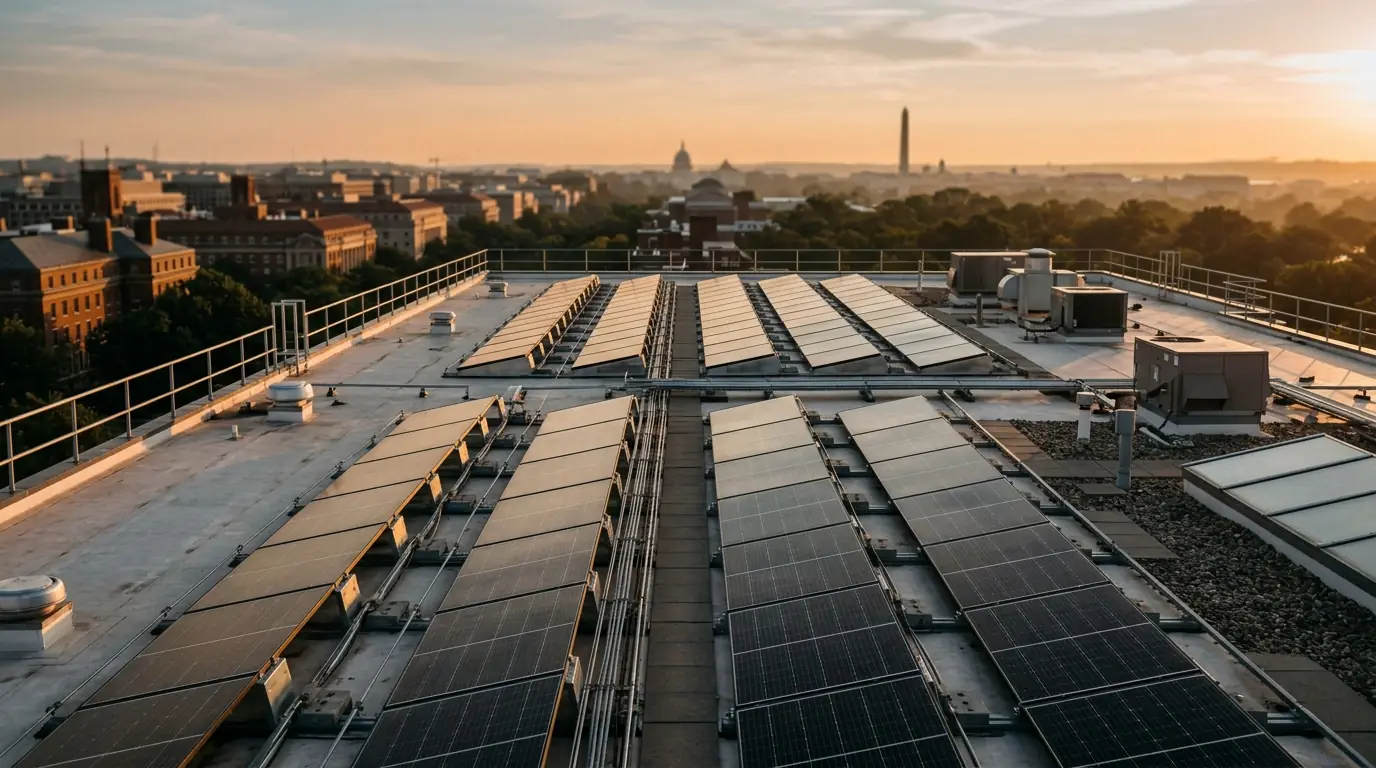
City Renewables puts an 8 kW DC system at $22,400 to $27,200 gross in 2026 and estimates a payback of roughly 9 to 12 years once SRECs, net metering and the property tax exemption are counted. Your result depends on your roof, your usage and certificate prices, which can move.
The systems that work best are unshaded, sized to real usage and registered for SRECs from the first month. A shaded roof or a short planned stay changes the answer.
Sources: cityrenewables.com
Want to know if your roof still pencils out? Call and ask.
Call (771) 247-9849Leases and PPAs after 2025
With the residential credit gone, more DC homeowners are being offered leases and power purchase agreements, where a company owns the panels on your roof. You pay a monthly lease or a per-kWh rate instead of buying the system.
The owner usually keeps the SRECs and any incentives, so compare the contract carefully against owning: the monthly cost, the escalator, the term, what happens when you sell the house, and who maintains the system.
- Monthly payment or per-kWh rate
- Annual escalator
- Term length and buyout terms
- Transfer rules when you sell
- Who keeps the SRECs
A simple way to decide
Start with the roof: shade, orientation and condition. Then look at a year of bills to size the system, and price it per watt. Finally, add the SREC and net metering value at today's prices and see how the payback compares with how long you plan to stay.
If the roof is good and you plan to stay, the numbers usually work. If the roof needs replacing, do that first; if the stay is short, a smaller system or no system may be the honest answer.
When solar may not be worth it
Heavy shade from trees or neighboring buildings, a roof that needs replacing soon, or plans to sell within a few years can all tip the math. In those cases a site assessment is worth more than a quote.
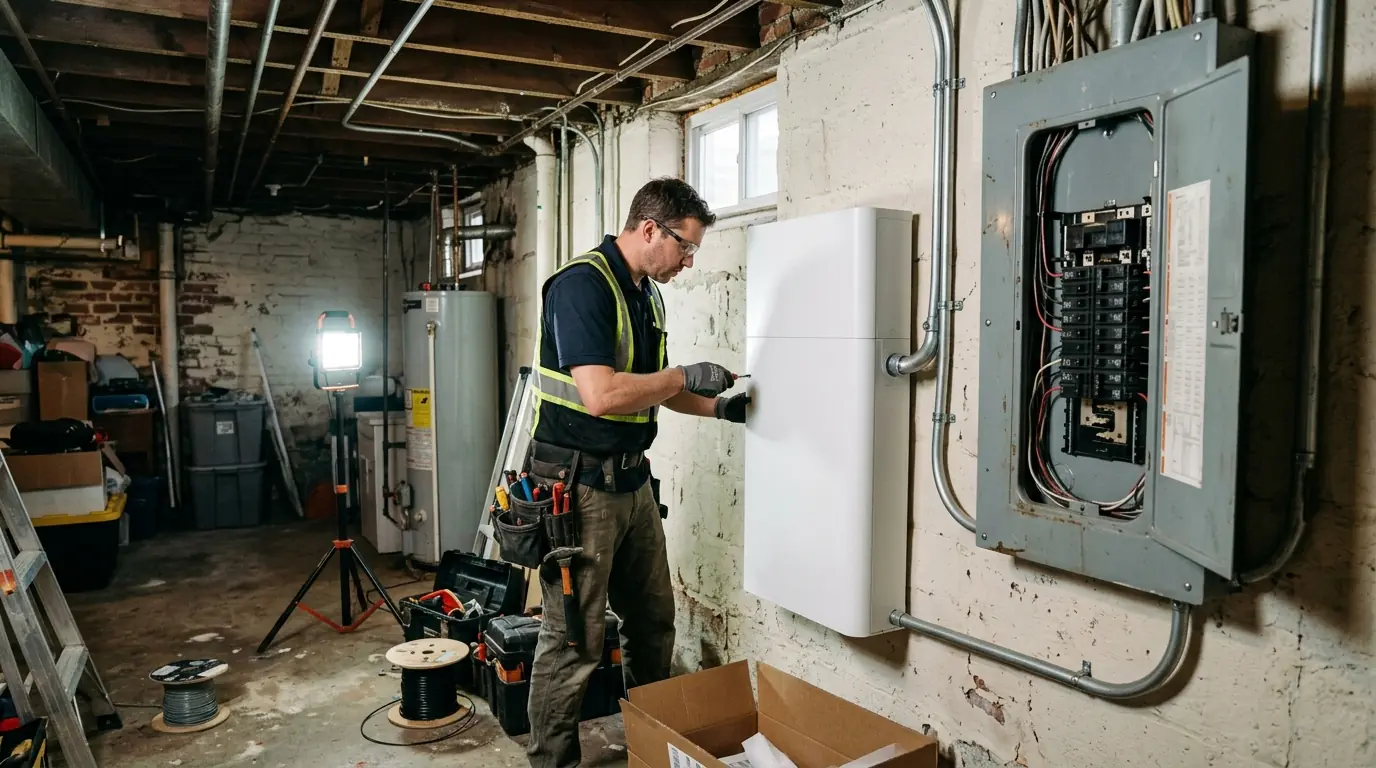
Batteries are a separate decision. With net metering, storage rarely pays for itself on savings alone, and it carried no federal credit for 2026 home systems either.
- Heavy shade
- A roof near the end of its life
- A short planned stay
- Expecting a battery to pay for itself
Questions about solar without the federal credit
For home systems, yes. The 25D credit ended after December 31, 2025.
SRECs, Pepco net metering, and for income-qualified homes, Solar for All and the Solar Advantage Plus Program.
City Renewables estimates roughly 9 to 12 years for an 8 kW DC system.
Leases follow different rules; read the terms, since the owner keeps most incentives.
Mostly for backup. Savings alone rarely justify one in DC.
City Renewables lists a property tax exemption among the incentives that remain in 2026.