
A 100-amp DC panel can often take a Level 2 EV charger, but a load calculation decides. If it does not fit, load management or a smart panel can share the capacity instead of upgrading the service. HomeGuide puts a Level 2 install at about $1,200 to $3,000 and a 200-amp panel replacement at $1,800 to $2,500.
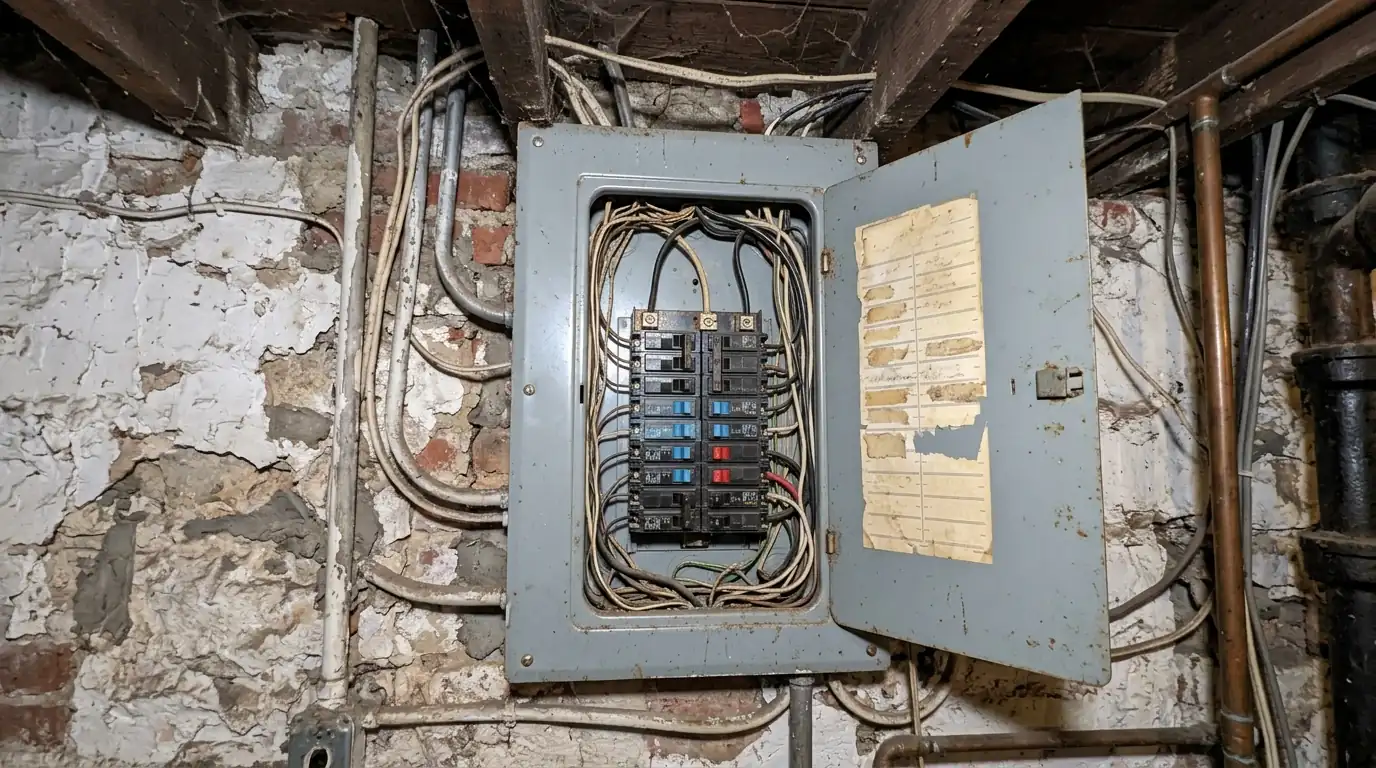
Why older DC houses hit this question
About 35 percent of DC housing was built in 1939 or earlier, according to NeighborhoodScout, and many of those houses still run on services sized long before EVs, heat pumps and induction ranges. A Level 2 charger adds one of the largest loads in the house.
Whether it fits is not a guess. An electrician runs a load calculation that compares what the house can draw with what the service can safely deliver.
Sources: neighborhoodscout.com
How the load calculation decides
The calculation adds up the house's existing loads, including heating, cooling, cooking and water heating, then adds the charger. If the total stays within what the service allows, the charger can go on a new circuit. If not, something has to change.
The answer depends on the house, not the panel size alone. A 100-amp gas-heated rowhouse may have room; an all-electric house of the same size may not.
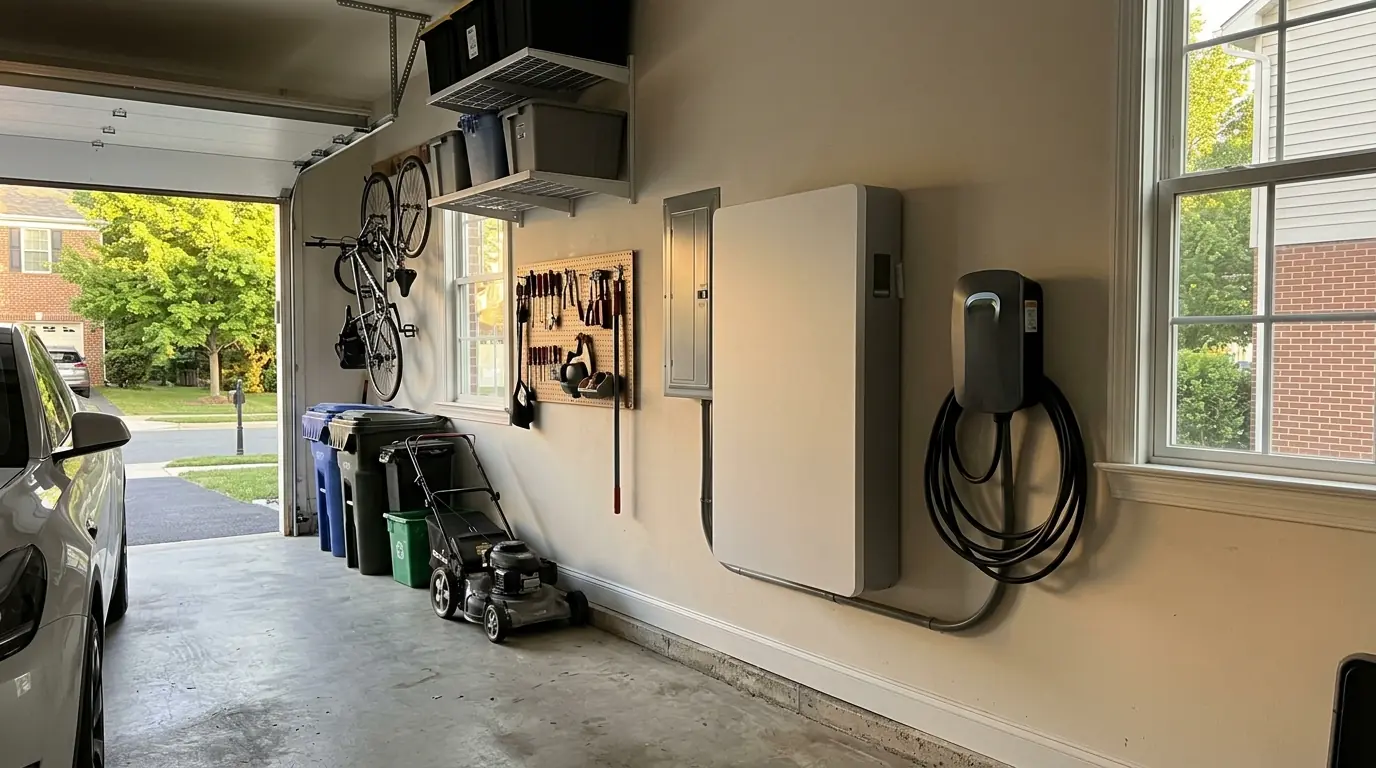
Option one: load management
Load management devices watch the total house load and slow or pause the charger when other big loads run, then resume when there is room. The car still fills overnight in most cases.
Many smart chargers have this built in, and standalone devices are available. When the load calculation allows it, load management avoids the cost and wait of a service upgrade.
Not sure your panel can take a charger? Call for a load check.
Call (771) 247-9849Option two: a smart panel
A smart panel replaces the existing panel with one that monitors and switches every circuit. It can manage the charger along with the dryer, the heat pump and a battery, and show what every circuit uses.
One 2026 installer guide puts smart panel installations at about $2,500 to $5,500. It costs more than a load manager but does more, especially if a battery or solar is in the plan.
Sources: chargethecoast.com
Option three: a service upgrade
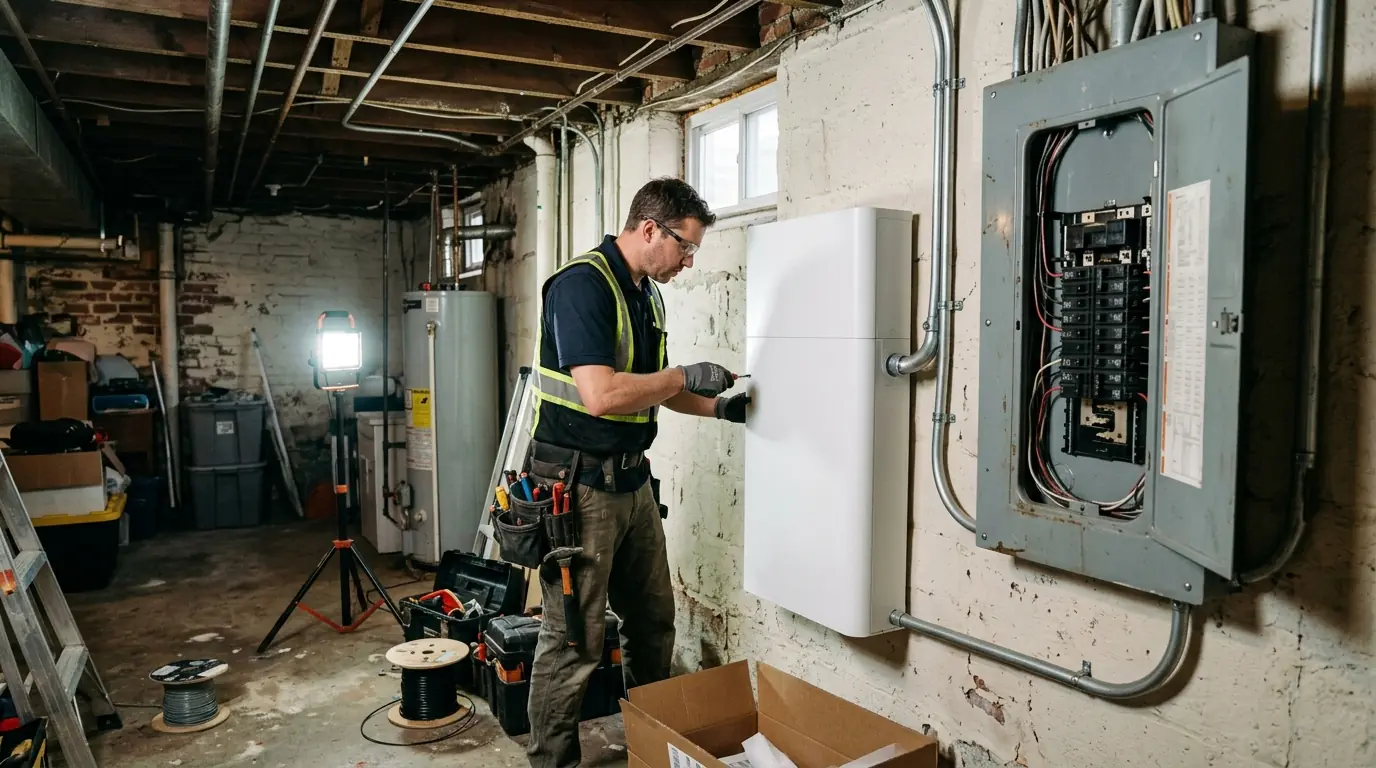
When the house simply needs more capacity, the service is upgraded, usually to 200 amps. That involves the panel, the service conductors, often the meter base, and Pepco coordination to disconnect and reconnect the service.
HomeGuide puts a 200-amp panel replacement at about $1,800 to $2,500, before any utility-side work, and a complete Level 2 charger install at about $1,200 to $3,000.
Sources: homeguide.com
Where the charger goes on a rowhouse
Many DC rowhouses park on a rear pad off the alley, so the charger often goes on the back wall or a post beside the pad. That means a longer circuit, outdoor-rated equipment and conduit protected from bumpers and trash trucks.
A garage or a carport is simpler, and a solar carport over the pad can carry the charger wiring in its posts. Plan the route before choosing the panel option, because distance affects the circuit size.
Planning for solar at the same time
If solar is in your plans, think about the charger and the panel together. Solar also feeds through the panel, and an older panel may limit the solar connection as well as the charger.
Sizing both at once avoids paying for one upgrade now and a different fix later.
EV charger and panel questions
Often, but a load calculation decides. Load management can help when it is tight.
HomeGuide puts it at about $1,200 to $3,000.
Yes, when it is a listed device installed to code; it keeps the total load within the service.
Not for the charger alone; a service upgrade may need meter work.
Only if the load calculation shows it; solar and charger should be planned together.
Most of a day of power off, plus Pepco scheduling.